

Eine der häufigsten Fragen für langfristig orientierte Anleger ist, ob sie Einzelaktien oder börsengehandelte Fonds (ETFs) kaufen sollen. Beide Anlageformen können langfristig Vermögen aufbauen, eignen sich aber für unterschiedliche Anlagetypen, Ziele und Anlageintensitäten. Dieser Leitfaden vergleicht Aktien und ETFs für langfristige Investitionen anhand der wirklich wichtigen Faktoren – Kosten, Diversifizierung, Risiko, Kontrollmöglichkeiten und Aufwand –, damit Sie entscheiden können, welche Strategie oder welche Kombination aus beidem am besten zu Ihrer Situation passt.
Es gibt keine allgemeingültig “bessere” Wahl. Die richtige Antwort hängt davon ab, wie viel Zeit Sie investieren möchten, welches Risiko Sie bereit sind einzugehen und was Sie erreichen wollen. Ziel ist es, Ihnen einen klaren, ausgewogenen Rahmen zu bieten, anstatt eine pauschale Empfehlung auszusprechen.

Was sind Einzelaktien?
Der Kauf einer Einzelaktie bedeutet den Erwerb eines Anteils am Eigentum eines einzelnen Unternehmens. Ihre Rendite hängt von der Unternehmensleistung und der Marktbewertung ab. Der direkte Aktienbesitz ermöglicht Ihnen die genaue Kontrolle über Ihre Anlagen und kann sich für Anleger, die bereit sind, Unternehmen sorgfältig zu analysieren, lohnen.
Mögliche Vorteile
Einzelaktien bieten volle Kontrolle über Ihr Portfolio, die Chance auf überdurchschnittliche Renditen bei Auswahl aussichtsreicher Aktien und keine laufenden Fondsverwaltungsgebühren. Sie ermöglichen es Ihnen außerdem, Ihre Anlagen an Ihren Überzeugungen auszurichten und steuerliche Ereignisse nach Ihrem eigenen Zeitplan zu steuern. Für engagierte Anleger ist die Transparenz des Besitzes konkreter Unternehmen attraktiv.
Mögliche Nachteile
Die Kehrseite der Medaille ist das Konzentrationsrisiko: Ein einzelnes Unternehmen kann hinter den Erwartungen zurückbleiben oder scheitern, und ein schlecht diversifiziertes Portfolio kann durch ein solches negatives Ergebnis stark beeinträchtigt werden. Die Aktienauswahl erfordert zudem Zeit, Recherche und emotionale Disziplin. Studien belegen immer wieder, dass die meisten Anleger – sowohl Profis als auch Privatanleger – langfristig Schwierigkeiten haben, die breiten Marktdurchschnitte zu übertreffen.
Was sind ETFs?
Ein börsengehandelter Fonds (ETF) hält ein Portfolio aus verschiedenen Vermögenswerten – oft Dutzenden oder Hunderten von Aktien – und wird wie eine einzelne Aktie an der Börse gehandelt. Viele ETFs bilden einen Index ab, beispielsweise einen breiten Marktindex, und ermöglichen so eine sofortige Diversifizierung mit nur einem Kauf. Dieser passive Anlageansatz ist gerade deshalb so beliebt, weil er einfach, kostengünstig und historisch gesehen effektiv ist.
Mögliche Vorteile
ETFs bieten eine integrierte Diversifizierung, wodurch die Auswirkungen des Scheiterns eines einzelnen Unternehmens abgemildert werden. Sie zeichnen sich typischerweise durch niedrige Kostenquoten aus, erfordern wenig laufenden Aufwand und ermöglichen einen einfachen Zugang zu ganzen Märkten, Sektoren oder Regionen. Für Anleger, die einen passiven, langfristigen Ansatz bevorzugen, bieten ETFs eine unkomplizierte Lösung.
Mögliche Nachteile
ETFs erheben eine geringe jährliche Gebühr, und ein breit gestreuter Fonds wird den Markt, den er abbildet, niemals übertreffen – er bildet ihn naturgemäß nach. Zudem geben Sie die Kontrolle über einzelne Positionen auf, was bedeutet, dass Sie Anteile an Unternehmen halten, die Sie möglicherweise nicht selbst ausgewählt hätten. Einige Nischen-ETFs oder gehebelte ETFs bergen zusätzliche Risiken und höhere Kosten, daher ist diese Anlageklasse nicht generell risikoarm.
Wichtige Unterschiede
Beim Vergleich der beiden Anlageformen sind für langfristige Investoren in der Regel einige praktische Aspekte ausschlaggebend für die Entscheidung.
- Kosten: Einzelaktien sind zwar gebührenfrei, doch Handelskosten und Anlagedauer spielen eine Rolle. ETFs hingegen erheben eine geringe Kostenquote, bieten im Gegenzug Diversifizierung und Komfort.
- Diversifizierung: Ein ETF kann Hunderte von Unternehmen umfassen; eine vergleichbare Diversifizierung mit Einzelaktien erfordert erhebliches Kapital und großen Aufwand.
- Kontrolle: Mit Aktien können Sie genau bestimmen, was Sie besitzen; ETFs überlassen diese Entscheidung einem Index oder einem Manager.
- Bemühung: Aktien erfordern kontinuierliche Recherche und Überwachung; breit gestreute ETFs werden weitgehend einmalig eingerichtet und regelmäßig überprüft.
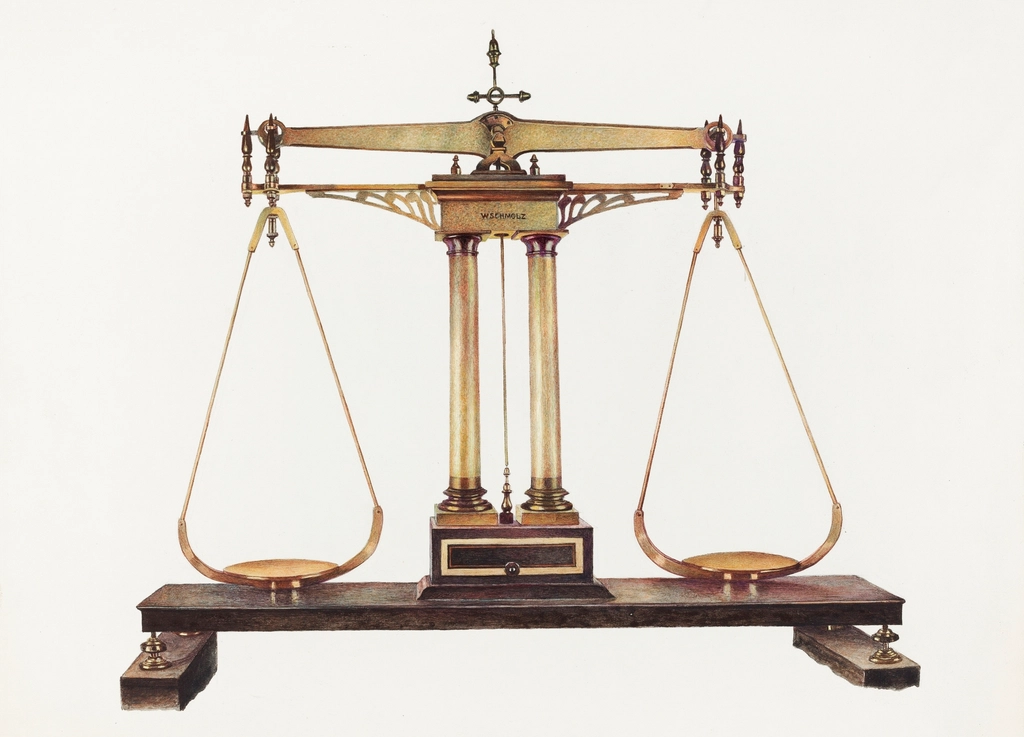
Risiko und Volatilität im Vergleich
Einzelaktien sind im Allgemeinen volatiler als breit gestreute ETFs, da ihr Wert von einem einzigen Unternehmen abhängt. Ein breit gestreuter ETF gleicht unternehmensspezifische Schwankungen aus, unterliegt aber dennoch den Schwankungen des Gesamtmarktes. Beide Anlageformen sind nicht absolut sicher – beide können in Abschwungphasen deutlich an Wert verlieren –, doch die Konzentration auf ein einzelnes Unternehmen ermöglicht sowohl höhere Gewinne als auch größere Verluste. Für eine nachhaltige Anlagestrategie ist es entscheidend, die Volatilität Ihrer Anlagen an Ihre emotionale und finanzielle Verträglichkeit anzupassen.
Steuerliche und gebührenbezogene Überlegungen
Gebühren und Steuern beeinflussen die langfristige Rendite unmerklich. ETFs erheben Kostenquoten, und häufiger Aktienhandel kann Transaktionskosten und steuerpflichtige Ereignisse auslösen. Da die Steuerregeln je nach Land und persönlicher Situation stark variieren, stellt dieser Artikel keine Steuerberatung dar. Grundsätzlich gilt: Minimieren Sie unnötige Kosten und vermeiden Sie häufigen Handel, der Gebühren und Steuern nach sich zieht, da sich diese über Jahrzehnte hinweg negativ auswirken.
Wie man basierend auf Zielen und Zeithorizont die richtige Wahl trifft
Die Entscheidung wird klarer, wenn Sie von Ihren Zielen statt von den Produkten ausgehen. Überlegen Sie, wie viel Zeit Sie realistisch investieren können, wie Sie auf Kursschwankungen reagieren und wie lange Ihr Geld angelegt bleiben kann. Viele langfristige Anleger nutzen einen gemischten Ansatz: einen Kern aus breit gestreuten, kostengünstigen ETFs für Stabilität und Diversifizierung, ergänzt durch eine kleinere, sorgfältig ausgewählte Allokation in Einzelaktien, die sie gut verstehen. Dadurch profitieren sie von der Kontrolle und dem Gewinnpotenzial der Aktienauswahl. das Gesamtrisiko im Griff behalten.
Häufig gestellte Fragen
Sind ETFs sicherer als Einzelaktien?
Diversifizierte ETFs reduzieren unternehmensspezifische Risiken und sind daher in der Regel weniger volatil als Einzelaktien. Dennoch unterliegen sie weiterhin den Kursbewegungen des Gesamtmarktes und sind daher relativ gesehen risikoärmer, aber nicht risikofrei.
Kann ich sowohl Aktien als auch ETFs halten?
Ja, und viele Anleger machen das so. Ein gängiger Ansatz ist ein Kernportfolio aus breit gestreuten ETFs zur Diversifizierung, ergänzt durch einen kleineren Anteil an Einzelaktien, die man versteht und direkt besitzen möchte.
Zahlen ETFs Dividenden aus?
Viele tun das. ETFs, die Aktien von dividendenstarken Unternehmen halten, geben diese Dividenden in der Regel an die Anleger weiter, entweder als Barausschüttungen oder durch Wiederanlage, je nach Fonds.
Welche ist besser für Anfänger?
Breit gestreute, kostengünstige ETFs gelten oft als einsteigerfreundlicher, da sie mit geringem Rechercheaufwand eine sofortige Diversifizierung ermöglichen. Die Auswahl einzelner Aktien eignet sich im Allgemeinen für Anleger, die bereit sind, mehr Zeit zu investieren und ein höheres Konzentrationsrisiko in Kauf zu nehmen.
Was ist eine Kostenquote?
Die Kostenquote ist die jährliche Gebühr, die ein Fonds erhebt, ausgedrückt als Prozentsatz Ihrer Anlage. Niedrigere Quoten bedeuten, dass mehr von Ihrer Rendite bei Ihnen verbleibt, was sich langfristig deutlich auswirkt.
Können Einzelaktien ETFs schlagen?
Das ist zwar möglich, aber auf Dauer schwierig. Die meisten Anleger erzielen langfristig keine bessere Rendite als der breite Marktdurchschnitt, was mit ein Grund für die weite Verbreitung diversifizierter ETFs ist.
Zusammenfassung
Aktien und ETFs sind Instrumente, keine Konkurrenten. Einzelaktien bieten Kontrolle und das Potenzial für überdurchschnittliche Renditen, allerdings mit höherem Risiko und größerem Aufwand. Breit gestreute ETFs bieten Diversifizierung, niedrige Kosten und Einfachheit, jedoch auf Kosten von Kontrolle und dem Verzicht auf überdurchschnittliche Renditen. Für die meisten langfristigen Anleger ist die sicherste Lösung eine durchdachte Mischung, die auf ihre Ziele, ihren Anlagehorizont und ihre Risikotoleranz abgestimmt ist. Definieren Sie zunächst, was Ihr Geld leisten soll, und wählen Sie dann die passende Mischung.
Verwandte Artikel
- Risikomanagement im Handel und bei Investitionen: Ein praktischer Leitfaden
- Wie der Devisenmarkt funktioniert: Ein Leitfaden für Anfänger
- Wie man einen Notfallfonds und ein Budget aufbaut, das lange hält
Haftungsausschluss
Dieser Artikel dient ausschließlich Bildungs- und Informationszwecken und stellt keine Anlage-, Finanz-, Rechts- oder Steuerberatung dar. Er ist allgemeiner Natur und berücksichtigt nicht Ihre persönlichen Umstände. Jede Anlage birgt Risiken, einschließlich des möglichen Verlusts des eingesetzten Kapitals, und der Wert von Anlagen kann sowohl steigen als auch fallen. Die Wertentwicklung in der Vergangenheit ist keine Garantie für zukünftige Ergebnisse. Die steuerliche Behandlung hängt von Ihrer individuellen Situation und Ihrem jeweiligen Rechtsgebiet ab und kann sich ändern. Führen Sie stets Ihre eigenen Recherchen durch und ziehen Sie gegebenenfalls einen zugelassenen, unabhängigen Finanzberater zu Rate, bevor Sie eine Anlageentscheidung treffen.

 English
  German
  Polish
  French
  German (Switzerland)
  Croatian
  Czech
Czech  Italian
  Spanish
  Swedish
  Portuguese (Portugal)
  Portuguese (Brazil)
  Japanese
  Thai
Thai  Danish