
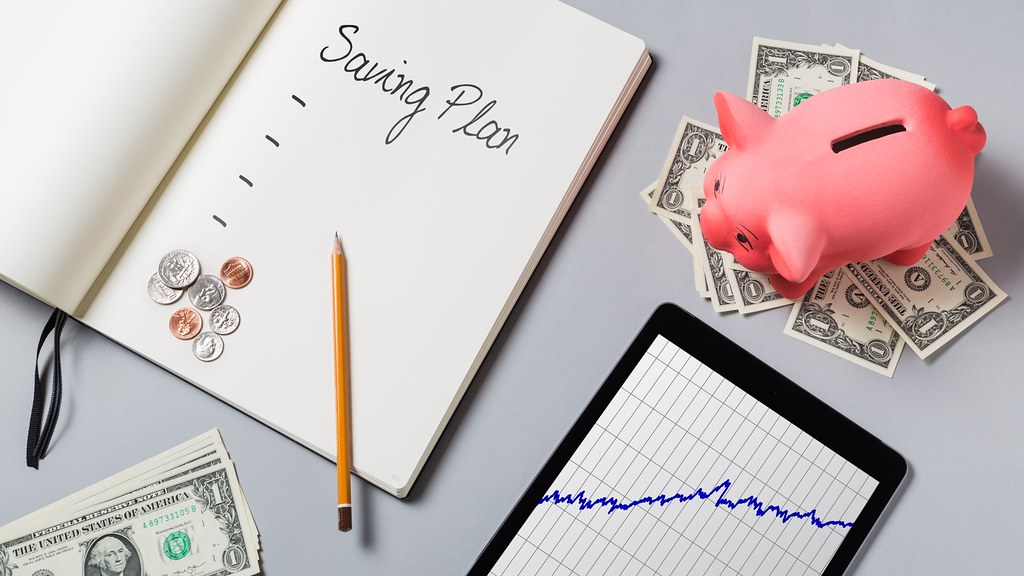
Un fondo di emergenza è una delle basi più importanti della stabilità finanziaria personale, eppure viene spesso trascurato a favore di obiettivi più entusiasmanti come investire. La verità è che senza un cuscinetto di liquidità, una singola spesa inattesa — una fattura medica, la perdita del lavoro, una riparazione urgente — può costringerti a indebitarti o far deragliare i piani di lungo termine. Questa guida passo dopo passo spiega come costruire un fondo di emergenza e un budget che durino nel tempo, incluso quanto risparmiare, dove conservarlo e come restare costante.
L'approccio qui è pratico e realistico. Costruire la resilienza finanziaria dipende meno dal guadagnare un reddito elevato e più da abitudini costanti, una pianificazione sensata e dal proteggersi dalle inevitabili sorprese che la vita riserva.
Cos'è un Fondo di Emergenza — e Cosa Non È
Un fondo di emergenza è denaro accantonato specificamente per coprire spese genuine e impreviste o una perdita di reddito. Non è un conto di investimento, un fondo per le vacanze o denaro destinato ad acquisti pianificati. Il suo scopo è la protezione, non la crescita, ed è per questo che dovrebbe essere tenuto in un luogo sicuro e facilmente accessibile anziché vincolato in asset volatili.
Trattare il fondo come intoccabile salvo per le vere emergenze è ciò che lo fa funzionare. Definire chiaramente, in anticipo, cosa conta come emergenza e cosa no aiuta a prevenire la lenta erosione della tua rete di sicurezza attraverso le spese quotidiane.
Quanto Dovresti Risparmiare?
L'importo di cui hai bisogno dipende dalle tue circostanze, ma ci sono utili linee guida da cui partire.
La linea guida dei tre-sei mesi
Una regola pratica ampiamente citata è quella di risparmiare da tre a sei mesi di spese essenziali di sostentamento. Le spese essenziali includono casa, cibo, utenze, trasporti, assicurazioni e pagamenti minimi dei debiti — non le spese discrezionali. Partire da questa cifra ti dà un obiettivo concreto anziché una vaga intenzione.
Fattori che modificano il numero
L'importo ideale per te può essere più alto o più basso a seconda della stabilità lavorativa, del numero di percettori di reddito nel tuo nucleo familiare, delle persone a carico e di considerazioni sulla salute. Chi ha un reddito variabile da libero professionista o un nucleo familiare con un solo percettore di reddito potrebbe puntare alla fascia più alta o oltre, mentre un nucleo familiare a doppio reddito con lavori molto stabili potrebbe trovarsi a proprio agio più vicino alla fascia più bassa. Adatta la linea guida alla tua realtà invece di trattarla come una regola fissa.
Costruire un budget che favorisce il risparmio
Un fondo di emergenza nasce da un budget che lascia costantemente spazio per il risparmio. Un budget non riguarda la restrizione fine a se stessa; riguarda l'indirizzare il tuo denaro verso ciò che conta per te, compresa la tua sicurezza.
Metodi di budgeting semplici
Diversi schemi semplici possono essere d'aiuto. L'approccio 50/30/20 destina circa la metà del reddito al netto delle imposte ai bisogni, circa un terzo ai desideri e il resto al risparmio e al rimborso dei debiti. Il budgeting a base zero assegna a ogni unità di reddito un compito specifico finché non resta nulla di non allocato. Qualunque metodo tu scelga, la chiave è tenere traccia di dove va realmente il tuo denaro, perché la sola consapevolezza spesso rivela risparmi facili.
Dove Tenere il Tuo Fondo di Emergenza
Poiché il fondo deve essere sicuro e accessibile, generalmente è opportuno collocarlo in un conto a basso rischio e liquido — come un conto di risparmio dedicato, idealmente uno che generi qualche interesse pur mantenendo il denaro prontamente disponibile. La priorità è la sicurezza del capitale e l'accesso rapido, non la massimizzazione dei rendimenti. Tenere il fondo separato dal tuo conto corrente quotidiano riduce la tentazione di attingervi e rende più facile monitorare i tuoi progressi.
Evita di collocare i fondi di emergenza in investimenti che possono perdere valore o che impongono penali per il prelievo anticipato. Il punto fondamentale è che la liquidità sia disponibile, per intero, esattamente quando ne hai bisogno.
Come Mantenere la Costanza
A costruire un fondo di emergenza è la costanza, non l'intensità. Poche abitudini rendono il risparmio molto più affidabile nel tempo.
- Automatizza i trasferimenti sul tuo conto di risparmio il giorno della paga, così il risparmio avviene prima che tu possa spendere.
- Inizia in piccolo se necessario; anche un importo modesto e regolare crea slancio e l'abitudine conta più dell'entità.
- Tratta il risparmio come una spesa fissa, non un ripensamento una volta pagato tutto il resto.
- Usa saggiamente le entrate straordinarie, destinare una parte di bonus o rimborsi al fondo.
- Esamina periodicamente i progressi a restare motivato e ad adattarti man mano che la tua situazione cambia.
Errori comuni da evitare
Alcune insidie prevedibili minano i fondi di emergenza. Usare il fondo per non-emergenze lo prosciuga lentamente; tenerlo nello stesso conto del denaro per le spese invita a un uso accidentale; e inseguire rendimenti più alti investendo il fondo ne vanifica lo scopo. Un altro errore è aspettare a iniziare finché non puoi risparmiare una grande somma — cominciare in piccolo e presto batte quasi sempre l’attesa del momento perfetto. Infine, trascurare di rimpinguare il fondo dopo averlo usato ti lascia esposto alla prossima sorpresa.
Domande frequenti
Quanto dovrei avere in un fondo di emergenza?
Una linea guida comune è da tre a sei mesi di spese essenziali di sostentamento, regolata in base alla stabilità del tuo lavoro, ai familiari a carico e alle fonti di reddito. La cifra giusta è personale, quindi tratta l’intervallo come un punto di partenza.
Dove dovrei tenere il mio fondo di emergenza?
In un conto sicuro e liquido come un conto di risparmio dedicato che mantiene il denaro accessibile. Evita investimenti che possono perdere valore o penalizzare il prelievo anticipato, poiché la sicurezza e l'accesso sono la priorità.
Dovrei risparmiare o estinguere prima i debiti?
Molte persone costruiscono prima un piccolo fondo iniziale, poi bilanciano il risparmio con il rimborso di debiti ad alto interesse. Il giusto equilibrio dipende dai tuoi tassi di interesse e dalle tue circostanze, quindi considera entrambi anziché ignorarne uno.
Cosa conta come una vera emergenza?
Le vere emergenze sono urgenti, necessarie e impreviste — come spese mediche essenziali, riparazioni urgenti della casa o dell'auto, o la copertura delle spese dopo la perdita del lavoro. Le spese pianificate o discrezionali non rientrano in questa categoria.
Come faccio un budget se il mio reddito è irregolare?
Basa il tuo budget su una stima prudente dei tuoi tipici mesi a reddito più basso, dai priorità all'essenziale e al risparmio, e metti da parte un extra durante i mesi più forti per colmare i divari.
Quanto velocemente dovrei costruire il mio fondo?
Non esiste una tempistica fissa. La costanza conta più della velocità, quindi automatizza un importo gestibile e lascialo accumulare. Iniziare in piccolo e presto è più efficace che aspettare di risparmiare grandi somme in seguito.
Riepilogo
Un fondo di emergenza trasforma gli shock finanziari da crisi in inconvenienti gestibili. Comprendendone lo scopo, fissando un obiettivo realistico basato sulle tue spese essenziali, costruendo un budget che lasci costantemente spazio per il risparmio, mantenendo il denaro sicuro e accessibile e automatizzando l'abitudine, crei una vera resilienza finanziaria. Il momento migliore per iniziare è ora, anche con una piccola somma — fai il primo passo oggi aprendo un conto di risparmio dedicato e programmando il tuo primo trasferimento automatico.
Articoli correlati
- Gestione del rischio nel trading e negli investimenti: una guida pratica
- Azioni o ETF: quale scegliere per gli investimenti a lungo termine?
- Come funziona il mercato Forex: una guida per principianti
Disclaimer
Questo articolo ha finalità puramente educative e informative e non costituisce consulenza finanziaria, di investimento, legale o fiscale. È di natura generale e non tiene conto delle tue circostanze personali. Le situazioni finanziarie individuali variano, e ciò che è appropriato per una persona potrebbe non esserlo per un'altra. Conduci sempre le tue ricerche e valuta di consultare un professionista finanziario autorizzato e indipendente prima di prendere decisioni in merito a risparmio, budgeting o gestione del debito.

 English
  German
  Polish
  French
  German (Switzerland)
  Croatian
  Czech
Czech  Italian
  Spanish
  Swedish
  Portuguese (Portugal)
  Portuguese (Brazil)
  Japanese
  Thai
Thai  Danish