メニューを閉じる
  • 家
  • 執筆者一覧
  • ビットコイン
  • イーサリアム
  • アルトコイン
  • DeFi
  • 市場
  • 規制
  • ステーブルコイン
  • 仕事
  • 業界
  • テクノロジー
YourFinancialInfo
  • 家
  • 執筆者一覧
  • ビットコイン
  • イーサリアム
  • アルトコイン
  • DeFi
  • 市場
  • 規制
  • ステーブルコイン
  • 仕事
  • 業界
  • テクノロジー
YourFinancialInfo
家»市場»持続可能な緊急資金と予算の構築方法
市場

持続可能な緊急資金と予算の構築方法

エミリー・チェンBy エミリー・チェン2026 年 6 月 1 日5分読了
Facebook ツイッター Pinterest LinkedIn WhatsApp Reddit Tumblr メール
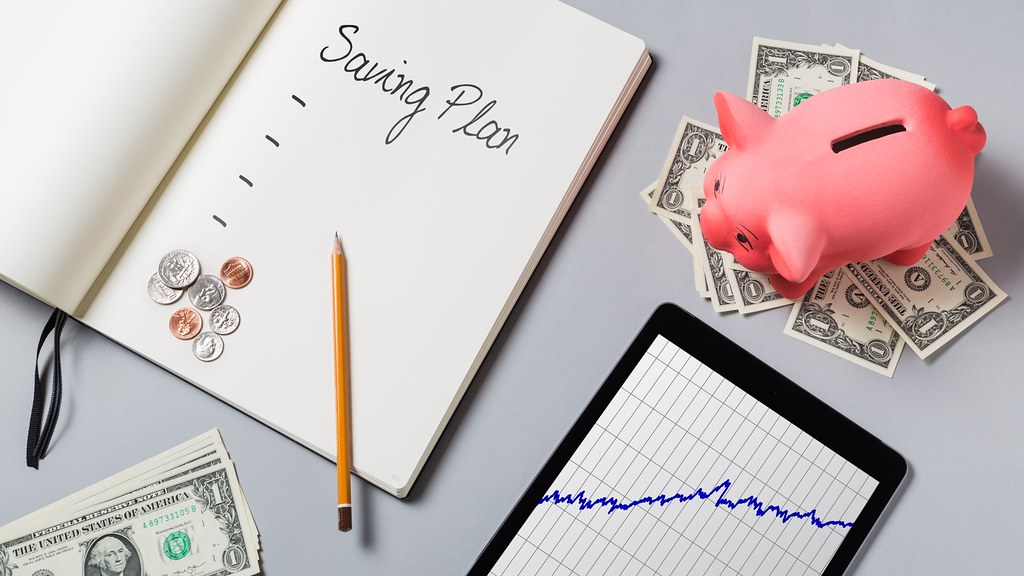
貯金計画ノート、貯金箱、紙幣、硬貨が机の上に置かれている。
共有
Facebook ツイッター LinkedIn Pinterest メール

An emergency fund is one of the most important foundations of personal financial stability, yet it is often overlooked in favor of more exciting goals like investing. The truth is that without a cash cushion, a single unexpected expense — a medical bill, a job loss, an urgent repair — can force you into debt or derail long-term plans. This step-by-step guide explains how to build an emergency fund and a budget that lasts, including how much to save, where to keep it, and how to stay consistent.

The approach here is practical and realistic. Building financial resilience is less about earning a high income and more about consistent habits, sensible planning, and protecting yourself from the inevitable surprises life brings.

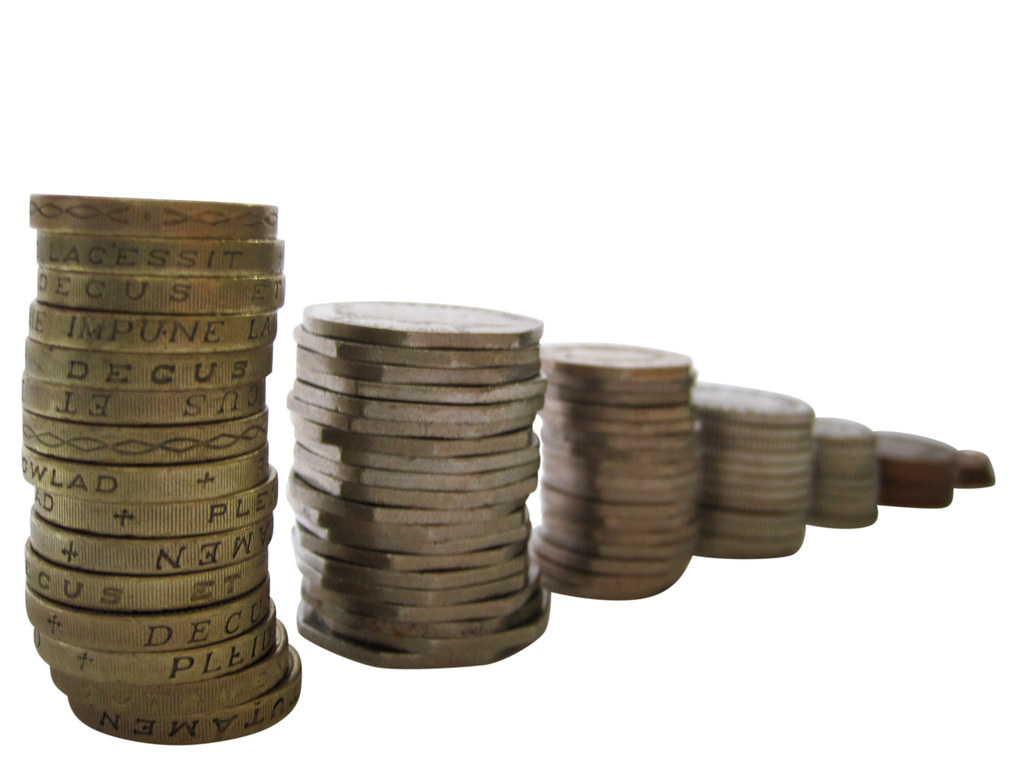
Stacks of coins representing steady saving toward an emergency fund
Consistent saving, even in small amounts, builds an emergency fund over time.

What an Emergency Fund Is — and Isn’t

An emergency fund is money set aside specifically to cover genuine, unexpected expenses or a loss of income. It is not an investment account, a vacation fund, or money earmarked for planned purchases. Its purpose is protection, not growth, which is why it should be kept somewhere safe and easily accessible rather than tied up in volatile assets.

Treating the fund as untouchable except for true emergencies is what makes it work. Defining clearly, in advance, what counts as an emergency — and what does not — helps prevent the slow erosion of your safety net through everyday spending.

How Much Should You Save?

The amount you need depends on your circumstances, but there are useful guidelines to start from.

The Three-to-Six-Month Guideline

A widely cited rule of thumb is to save three to six months of essential living expenses. Essentials include housing, food, utilities, transport, insurance, and minimum debt payments — not discretionary spending. Starting from this figure gives you a concrete target rather than a vague intention.

Factors That Change the Number

Your ideal amount may be higher or lower depending on job stability, number of income earners in your household, dependents, and health considerations. Someone with variable freelance income or a single-earner household may aim for the higher end or beyond, while a dual-income household with very stable jobs might be comfortable nearer the lower end. Adjust the guideline to your reality rather than treating it as a fixed rule.

Building a Budget That Supports Saving

An emergency fund grows out of a budget that consistently leaves room to save. A budget is not about restriction for its own sake; it is about directing your money toward what matters to you, including your own security.

Simple Budgeting Methods

Several straightforward frameworks can help. The 50/30/20 approach allocates roughly half of after-tax income to needs, about a third to wants, and the remainder to savings and debt repayment. Zero-based budgeting assigns every unit of income a specific job until nothing is left unallocated. Whichever method you choose, the key is tracking where your money actually goes, because awareness alone often reveals easy savings.

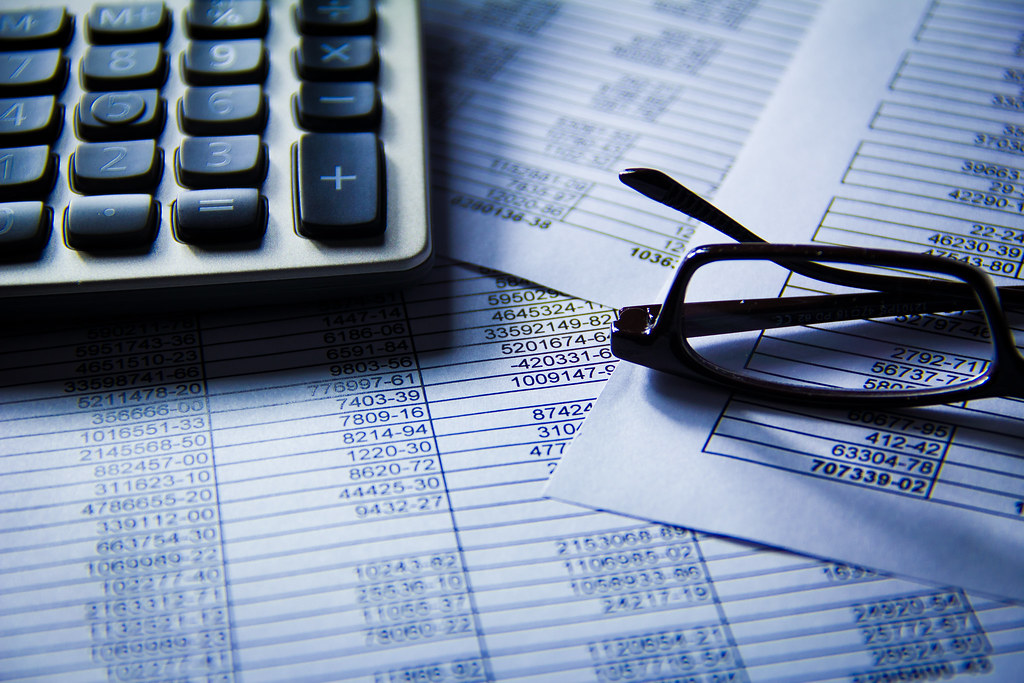
Financial figures on a screen representing budgeting and expense tracking
Tracking where your money goes is the foundation of an effective budget.

Where to Keep Your Emergency Fund

Because the fund must be safe and accessible, it generally belongs in a low-risk, liquid account — such as a dedicated savings account, ideally one that earns some interest while keeping your money readily available. The priority is capital safety and quick access, not maximizing returns. Keeping the fund separate from your everyday checking account reduces the temptation to dip into it and makes your progress easier to track.

Avoid placing emergency money in investments that can fall in value or that impose penalties for early withdrawal. The whole point is that the cash is there, in full, exactly when you need it.

How to Stay Consistent

Consistency, not intensity, builds an emergency fund. A few habits make saving far more reliable over time.

  • Automate transfers to your savings account on payday so saving happens before you can spend.
  • 小さなことから始めよう if needed; even a modest, regular amount builds momentum and the habit matters more than the size.
  • Treat saving as a fixed expense, not an afterthought once everything else is paid.
  • Use windfalls wisely, directing a portion of bonuses or refunds toward the fund.
  • Review progress periodically to stay motivated and adjust as your situation changes.

避けるべきよくある間違い

A few predictable pitfalls undermine emergency funds. Using the fund for non-emergencies slowly drains it; keeping it in the same account as spending money invites accidental use; and chasing higher returns by investing the fund defeats its purpose. Another mistake is waiting to start until you can save a large amount — beginning small and early almost always beats waiting for the perfect moment. Finally, neglecting to replenish the fund after using it leaves you exposed to the next surprise.

よくある質問

How much should I have in an emergency fund?

A common guideline is three to six months of essential living expenses, adjusted for your job stability, dependents, and income sources. The right figure is personal, so treat the range as a starting point.

Where should I keep my emergency fund?

In a safe, liquid account such as a dedicated savings account that keeps the money accessible. Avoid investments that can lose value or penalize early withdrawal, since safety and access are the priority.

Should I save or pay off debt first?

Many people build a small starter fund first, then balance saving with paying down high-interest debt. The right balance depends on your interest rates and circumstances, so weigh both rather than ignoring either.

What counts as a real emergency?

Genuine emergencies are urgent, necessary, and unexpected — such as essential medical costs, urgent home or car repairs, or covering expenses after a job loss. Planned or discretionary spending does not qualify.

How do I budget if my income is irregular?

Base your budget on a conservative estimate of your typical lower-income months, prioritize essentials and saving, and set aside extra during stronger months to smooth out the gaps.

How quickly should I build my fund?

There is no fixed timeline. Consistency matters more than speed, so automate a manageable amount and let it accumulate. Starting small and early is more effective than waiting to save large sums later.

まとめ

An emergency fund turns financial shocks from crises into manageable inconveniences. By understanding its purpose, setting a realistic target based on your essential expenses, building a budget that consistently leaves room to save, keeping the money safe and accessible, and automating the habit, you create genuine financial resilience. The best time to start is now, even with a small amount — take the first step today by opening a dedicated savings account and scheduling your first automatic transfer.

関連記事

  • トレーディングと投資におけるリスク管理:実践ガイド
  • 株式とETF:長期投資にはどちらが適しているか?
  • How the Forex Market Works: A Beginner’s Guide

免責事項

This article is for educational and informational purposes only and does not constitute financial, investment, legal, or tax advice. It is general in nature and does not account for your personal circumstances. Individual financial situations vary, and what is appropriate for one person may not be for another. Always conduct your own research and consider consulting a licensed, independent financial professional before making decisions about saving, budgeting, or managing debt.

budgeting emergency fund 財務計画 financial resilience personal finance saving money
共有。. Facebook ツイッター Pinterest LinkedIn WhatsApp Reddit Tumblr メール
エミリー・チェン

エミリー・チェンはYourFinanceInfoで、暗号資産ビジネスと金融規制についてレポートしている。彼女は企業収益、機関投資家向け商品、政策動向などを取り上げ、読者に伝統的な金融とデジタル資産がどのように交錯していくかについての背景情報を提供している。.

関連記事

市場 2026 年 6 月 1 日

外国為替市場の仕組み:初心者向けガイド

市場 2026 年 6 月 1 日

株式とETF:長期投資にはどちらが適しているか?

市場 2026 年 6 月 1 日

トレーディングと投資におけるリスク管理:実践ガイド

市場 2026 年 6 月 1 日

CFD取引や先物取引において、AIは活用する価値があるのか?

市場 2026 年 6 月 1 日

FlexContractXレビュー2026:正直でバランスの取れた分析

市場 2026 年 6 月 1 日

How AI Works in Contract Trading in 2026: A Practical Guide

コメントを残す 返信をキャンセルする

  • 家
  • 執筆者一覧
  • ビットコイン
  • イーサリアム
  • アルトコイン
  • DeFi
  • 市場
  • 規制
  • ステーブルコイン
  • 仕事
  • 業界
  • テクノロジー
© 2026 YourFinanceInfo. 全著作権所有。.

上記に入力してEnterを押すと検索できます。キャンセルするにはEscを押してください。.

We've detected you might be speaking a different language. Do you want to change to:
言語をEnglishに変更 English
言語をGermanに変更 German
言語をPolishに変更 Polish
言語をFrenchに変更 French
言語をGermanに変更 German (Switzerland)
言語をCroatianに変更 Croatian
言語をCzechに変更 Czech
言語をItalianに変更 Italian
言語をSpanishに変更 Spanish
言語をSwedishに変更 Swedish
言語をPortugueseに変更 Portuguese (Portugal)
言語をPortugueseに変更 Portuguese (Brazil)
Japanese
言語をThaiに変更 Thai
言語をDanishに変更 Danish
Change Language
Close and do not switch language
Japanese
English German Polish French German (Switzerland) Croatian Czech Italian Spanish Swedish Portuguese (Portugal) Portuguese (Brazil) Thai Danish