

En nödfond är en av de viktigaste grundpelarna för personlig ekonomisk stabilitet, men den förbises ofta till förmån för... mer spännande mål som att investera. Sanningen är att utan en buffert kan en enda oväntad utgift – en sjukvårdsräkning, en arbetsförlust, en akut reparation – tvinga dig in i skulder eller omintetgöra långsiktiga planer. Den här steg-för-steg-guiden förklarar hur du bygger upp en nödfond och en budget som varar, inklusive hur mycket du ska spara, var du ska förvara det och hur du ska hålla dig konsekvent.
Tillvägagångssättet här är praktiskt och realistiskt. Att bygga ekonomisk motståndskraft handlar mindre om att tjäna en hög inkomst och mer om konsekventa vanor, förnuftig planering och att skydda sig mot de oundvikliga överraskningar som livet medför.
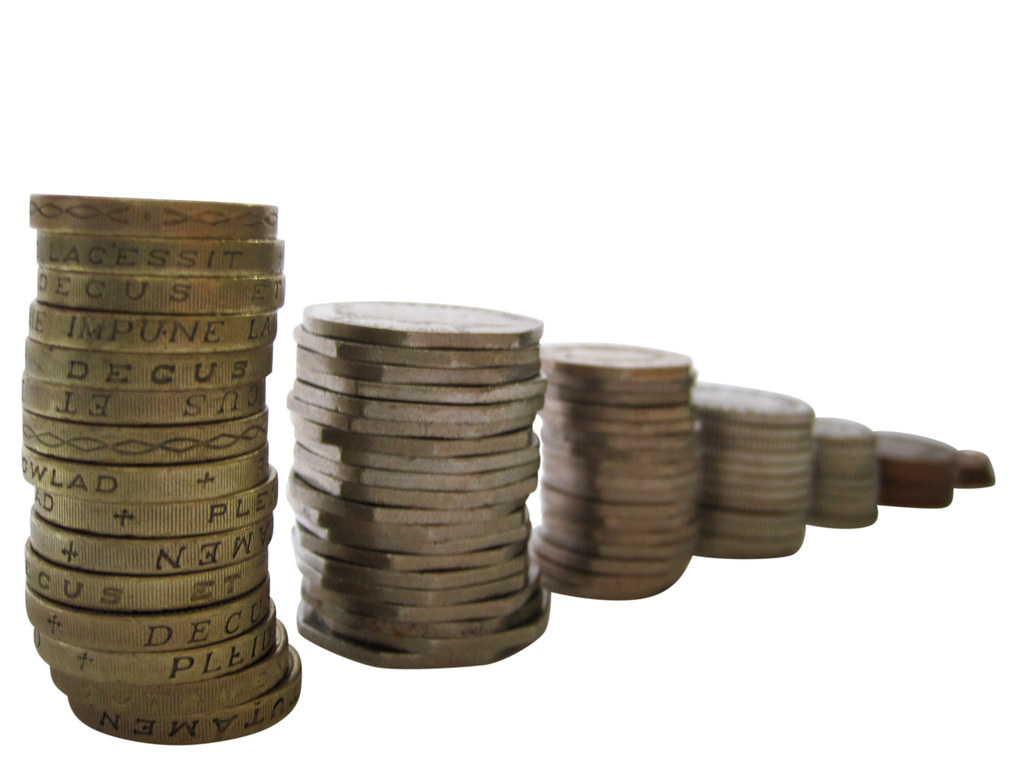
Vad en nödfond är – och inte är
En nödfond är pengar som avsatts specifikt för att täcka verkliga, oväntade utgifter eller inkomstbortfall. Det är inte ett investeringskonto, en semesterfond eller pengar öronmärkta för planerade inköp. Dess syfte är skydd, inte tillväxt, vilket är anledningen till att den bör förvaras någonstans säkert och lättillgängligt snarare än bundet i volatila tillgångar.
Att behandla fonden som oåterkallelig förutom i verkliga nödsituationer är det som gör att det fungerar. Att tydligt definiera i förväg vad som räknas som en nödsituation – och vad som inte gör det – hjälper till att förhindra att ditt skyddsnät långsamt urholkas genom dagliga utgifter.
Hur mycket bör du spara?
Hur mycket du behöver beror på dina omständigheter, men det finns användbara riktlinjer att utgå från.
Riktlinjen för tre till sex månader
En vanligt förekommande tumregel är att spara tre till sex månader för att täcka nödvändiga levnadskostnader. Det väsentliga inkluderar boende, mat, el, vatten, transport, försäkring och minimiskuldbetalningar – inte utgifter som man kan tänka sig. Att utgå från denna siffra ger dig ett konkret mål snarare än en vag avsikt.
Faktorer som förändrar antalet
Ditt idealbelopp kan vara högre eller lägre beroende på anställningsstabilitet, antalet inkomsttagare i ditt hushåll, anhöriga och hälsoaspekter. Någon med varierande frilansinkomst eller ett hushåll med en enda försörjare kan sikta på den högre gränsen eller mer, medan ett hushåll med två inkomster och mycket stabila jobb kan trivas närmare den lägre gränsen. Anpassa riktlinjen till din verklighet snarare än att behandla den som en fast regel.
Att bygga en budget som stödjer sparande
En nödfond växer fram ur en budget som konsekvent lämnar utrymme för sparande. En budget handlar inte om begränsningar för dess egen skull; den handlar om att styra dina pengar mot det som är viktigt för dig, inklusive din egen säkerhet.
Enkla budgeteringsmetoder
Flera enkla ramverk kan hjälpa till. 50/30/20-metoden allokerar ungefär hälften av inkomsten efter skatt till behov, ungefär en tredjedel till önskemål och resten till sparande och skuldbetalningar. Nollbaserad budgetering tilldelar varje inkomstenhet en specifik uppgift tills ingenting lämnas oallokerat. Oavsett vilken metod du väljer är nyckeln att spåra vart dina pengar faktiskt går, eftersom medvetenhet ensam ofta avslöjar enkla besparingar.

Var du ska förvara din nödfond
Eftersom fonden måste vara säker och tillgänglig hör den i allmänhet hemma på ett likvidt konto med låg risk – till exempel ett dedikerat sparkonto, helst ett som genererar ränta samtidigt som dina pengar är lättillgängliga. Prioriteten är kapitalsäkerhet och snabb åtkomst, inte maximering av avkastning. Att hålla fonden separat från ditt vanliga checkkonto minskar frestelsen att ta ut pengar från den och gör det lättare att följa dina framsteg.
Undvik att placera nödpengar i investeringar som kan falla i värde eller som medför straffavgifter för förtida uttag. Hela poängen är att pengarna finns där, i sin helhet, precis när du behöver dem.
Hur man håller sig konsekvent
Konsekvens, inte intensitet, bygger upp en nödfond. Några vanor gör sparandet mycket mer tillförlitligt över tid.
- Automatisera överföringar till ditt sparkonto på lönedagen så att sparandet sker innan du kan spendera.
- Börja i liten skala om det behövs; även en blygsam, regelbunden mängd bygger momentum och vanan är viktigare än storleken.
- Betrakta sparande som en fast kostnad, inte en eftertanke när allt annat är betalt.
- Använd oväntade vinster klokt, att en del av bonusar eller återbetalningar styrs till fonden.
- Granska framstegen regelbundet att hålla motivationen uppe och anpassa dig allt eftersom din situation förändras.
Vanliga misstag att undvika
Några förutsägbara fallgropar undergräver nödfonder. Att använda fonden för icke-nödsituationer tömmer den långsamt; att ha den på samma konto som att spendera pengar inbjuder till oavsiktlig användning; och att jaga högre avkastning genom att investera fonden motverkar dess syfte. Ett annat misstag är att vänta med att börja tills du kan spara en stor summa – att börja smått och tidigt är nästan alltid bättre än att vänta på det perfekta ögonblicket. Slutligen, att försumma att fylla på fonden efter att ha använt den gör att du riskerar nästa överraskning.
Vanliga frågor
Hur mycket bör jag ha i en nödfond?
En vanlig riktlinje är tre till sex månaders nödvändiga levnadskostnader, justerade för din anställningsstabilitet, dina anhöriga och inkomstkällor. Rätt siffra är personlig, så använd intervallet som en utgångspunkt.
Var ska jag förvara min nödfond?
På ett säkert, likvidt konto, till exempel ett dedikerat sparkonto, där pengarna är tillgängliga. Undvik investeringar som kan förlora i värde eller bestraffa förtida uttag, eftersom säkerhet och tillgång är prioritet.
Ska jag spara eller betala av skulder först?
Många bygger först upp en liten startfond och balanserar sedan sparandet med att betala av högränteskulder. Rätt balans beror på dina räntor och omständigheter, så väg båda snarare än att ignorera någon av dem.
Vad räknas som en verklig nödsituation?
Verkliga nödsituationer är brådskande, nödvändiga och oväntade – såsom viktiga medicinska kostnader, akuta reparationer i hemmet eller bilen eller att täcka utgifter efter en arbetsförlust. Planerade eller diskretionära utgifter är inte kvalificerade.
Hur budgeterar jag om mina inkomster är oregelbundna?
Basera din budget på en konservativ uppskattning av dina typiska månader med lägre inkomst, prioritera nödvändigheter och sparande och lägg undan extra under starkare månader för att jämna ut skillnaderna.
Hur snabbt ska jag bygga upp min fond?
Det finns ingen fast tidslinje. Konsekvens är viktigare än hastighet, så automatisera en hanterbar mängd och låt den ackumuleras. Att börja smått och tidigt är mer effektivt än att vänta med att spara stora summor senare.
Sammanfattning
En nödfond förvandlar ekonomiska chocker från kriser till hanterbara besvär. Genom att förstå dess syfte, sätta ett realistiskt mål baserat på dina nödvändiga utgifter, bygga en budget som konsekvent lämnar utrymme att spara, hålla pengarna säkra och tillgängliga och automatisera vanan, skapar du genuin ekonomisk motståndskraft. Den bästa tiden att börja är nu, även med ett litet belopp – ta det första steget idag genom att öppna ett dedikerat sparkonto och schemalägga din första automatiska överföring.
Relaterade artiklar
- Riskhantering inom handel och investeringar: En praktisk guide
- Aktier kontra ETF:er: Vilket är bättre för långsiktiga investeringar?
- Hur valutamarknaden fungerar: En nybörjarguide
Ansvarsfriskrivning
Denna artikel är endast avsedd för utbildnings- och informationsändamål och utgör inte ekonomisk, investerings-, juridisk eller skattemässig rådgivning. Den är av allmän karaktär och tar inte hänsyn till dina personliga omständigheter. Individuella ekonomiska situationer varierar, och vad som är lämpligt för en person kanske inte är det för en annan. Gör alltid din egen research och överväg att rådfråga en licensierad, oberoende finansiell expert innan du fattar beslut om sparande, budgetering eller skuldhantering.

 English
  German
  Polish
  French
  German (Switzerland)
  Croatian
  Czech
Czech  Italian
  Spanish
  Swedish
  Portuguese (Portugal)
  Portuguese (Brazil)
  Japanese
  Thai
Thai  Danish