

เงินสำรองฉุกเฉินเป็นหนึ่งในรากฐานที่สำคัญที่สุดของความมั่นคงทางการเงินส่วนบุคคล แต่กลับถูกมองข้ามไปบ่อยครั้ง โดยให้ความสำคัญกับสิ่งอื่นแทน เป้าหมายที่น่าตื่นเต้นกว่า เช่น การลงทุน. ความจริงก็คือ หากไม่มีเงินสำรองไว้ ค่าใช้จ่ายที่ไม่คาดฝันเพียงครั้งเดียว เช่น ค่ารักษาพยาบาล การตกงาน หรือการซ่อมแซมเร่งด่วน อาจทำให้คุณเป็นหนี้หรือทำให้แผนระยะยาวของคุณต้องหยุดชะงัก คู่มือทีละขั้นตอนฉบับนี้จะอธิบายวิธีการสร้างกองทุนฉุกเฉินและงบประมาณที่ยั่งยืน รวมถึงจำนวนเงินที่ควรเก็บออม สถานที่เก็บเงิน และวิธีการรักษาความสม่ำเสมอ.
แนวทางที่นำเสนอในที่นี้เป็นแนวทางที่ใช้งานได้จริงและสมเหตุสมผล การสร้างความมั่นคงทางการเงินไม่ได้ขึ้นอยู่กับการมีรายได้สูงเพียงอย่างเดียว แต่ขึ้นอยู่กับนิสัยที่ดีอย่างสม่ำเสมอ การวางแผนอย่างรอบคอบ และการป้องกันตนเองจากเหตุการณ์ไม่คาดฝันที่หลีกเลี่ยงไม่ได้ในชีวิต.
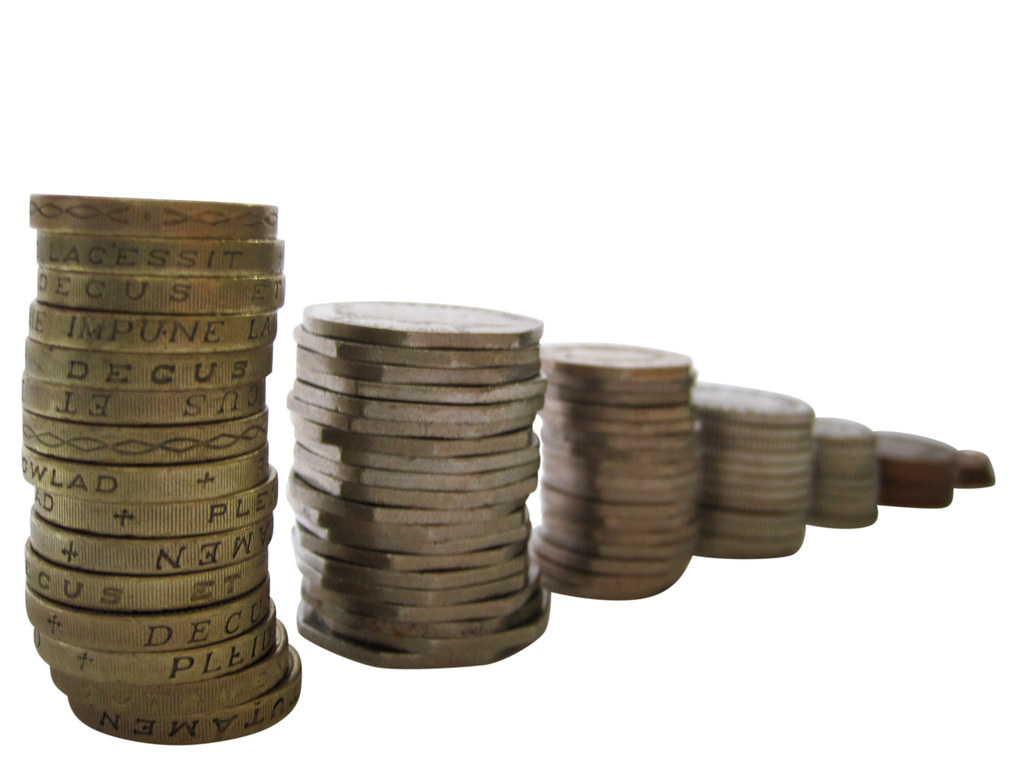
กองทุนฉุกเฉินคืออะไร และไม่ใช่สิ่งใดบ้าง
เงินสำรองฉุกเฉินคือเงินที่กันไว้โดยเฉพาะเพื่อใช้จ่ายในกรณีที่เกิดเหตุการณ์ไม่คาดฝันหรือรายได้ลดลง ไม่ใช่บัญชีลงทุน เงินสำหรับท่องเที่ยว หรือเงินที่กันไว้สำหรับซื้อของตามแผน จุดประสงค์คือเพื่อการป้องกัน ไม่ใช่เพื่อการเติบโต ดังนั้นจึงควรเก็บไว้ในที่ปลอดภัยและเข้าถึงได้ง่าย แทนที่จะนำไปลงทุนในสินทรัพย์ที่มีความผันผวนสูง.
การจัดการเงินสำรองนี้เสมือนเป็นเงินที่ไม่สามารถแตะต้องได้นอกจากในกรณีฉุกเฉินจริงๆ คือสิ่งที่ทำให้แผนนี้ได้ผล การกำหนดอย่างชัดเจนล่วงหน้าว่าอะไรคือเหตุฉุกเฉิน และอะไรไม่ใช่ จะช่วยป้องกันไม่ให้เงินสำรองของคุณค่อยๆ ลดลงจากการใช้จ่ายในชีวิตประจำวัน.
คุณควรเก็บออมเท่าไหร่?
จำนวนเงินที่คุณต้องการขึ้นอยู่กับสถานการณ์ของคุณ แต่มีแนวทางที่เป็นประโยชน์ในการเริ่มต้นอยู่บ้าง.
แนวทางปฏิบัติสำหรับระยะเวลาสามถึงหกเดือน
หลักการที่นิยมใช้กันอย่างแพร่หลายคือ การเก็บเงินสำรองไว้ใช้จ่ายในชีวิตประจำวันอย่างน้อยสามถึงหกเดือน ค่าใช้จ่ายที่จำเป็นได้แก่ ที่อยู่อาศัย อาหาร ค่าสาธารณูปโภค ค่าเดินทาง ค่าประกันภัย และการชำระหนี้ขั้นต่ำ ไม่ใช่ค่าใช้จ่ายฟุ่มเฟือย การเริ่มต้นจากตัวเลขนี้จะทำให้คุณมีเป้าหมายที่ชัดเจน แทนที่จะเป็นเพียงความตั้งใจที่คลุมเครือ.
ปัจจัยที่เปลี่ยนแปลงจำนวน
จำนวนเงินที่เหมาะสมสำหรับคุณอาจสูงหรือต่ำกว่านี้ ขึ้นอยู่กับความมั่นคงของงาน จำนวนผู้หารายได้ในครัวเรือน ผู้ที่อยู่ในความดูแล และข้อควรพิจารณาด้านสุขภาพ ผู้ที่มีรายได้จากงานอิสระที่ไม่แน่นอน หรือครัวเรือนที่มีผู้หารายได้เพียงคนเดียว อาจตั้งเป้าหมายไว้ที่ระดับสูงกว่า หรือมากกว่านั้น ในขณะที่ครัวเรือนที่มีผู้หารายได้สองคนและมีงานที่มั่นคงมาก อาจพอใจกับจำนวนเงินที่ต่ำกว่า ปรับแนวทางนี้ให้เข้ากับความเป็นจริงของคุณ แทนที่จะยึดถือเป็นกฎตายตัว.
การจัดทำงบประมาณที่สนับสนุนการออม
เงินสำรองฉุกเฉินเกิดขึ้นจากการวางแผนงบประมาณที่จัดสรรพื้นที่สำหรับการออมอย่างสม่ำเสมอ การวางแผนงบประมาณไม่ใช่การจำกัดการใช้จ่ายโดยไม่จำเป็น แต่เป็นการนำเงินของคุณไปใช้ในสิ่งที่สำคัญสำหรับคุณ รวมถึงความมั่นคงปลอดภัยของตัวคุณเอง.
วิธีการจัดทำงบประมาณแบบง่ายๆ
มีกรอบแนวคิดง่ายๆ หลายอย่างที่ช่วยได้ เช่น หลัก 50/30/20 ที่จัดสรรรายได้หลังหักภาษีประมาณครึ่งหนึ่งให้กับสิ่งจำเป็น ประมาณหนึ่งในสามให้กับสิ่งที่อยากได้ และส่วนที่เหลือสำหรับการออมและการชำระหนี้ ส่วนการจัดทำงบประมาณแบบฐานศูนย์นั้น กำหนดหน้าที่เฉพาะให้กับรายได้แต่ละหน่วยจนกว่าจะไม่มีส่วนใดเหลืออยู่ ไม่ว่าคุณจะเลือกใช้วิธีใด สิ่งสำคัญคือการติดตามว่าเงินของคุณไปอยู่ที่ไหนจริงๆ เพราะเพียงแค่การตระหนักรู้ก็มักจะเผยให้เห็นวิธีการประหยัดง่ายๆ แล้ว.

ควรเก็บเงินสำรองฉุกเฉินไว้ที่ไหน
เนื่องจากเงินทุนต้องปลอดภัยและเข้าถึงได้ง่าย โดยทั่วไปจึงควรอยู่ในบัญชีที่มีความเสี่ยงต่ำและสภาพคล่องสูง เช่น บัญชีออมทรัพย์โดยเฉพาะ ซึ่งควรเป็นบัญชีที่ให้ดอกเบี้ยบ้างในขณะที่ยังคงเก็บเงินไว้ใช้ได้ทันที สิ่งสำคัญคือความปลอดภัยของเงินต้นและการเข้าถึงอย่างรวดเร็ว ไม่ใช่การเพิ่มผลตอบแทนสูงสุด การแยกเก็บเงินกองทุนนี้ออกจากบัญชีเช็คประจำวันจะช่วยลดแรงจูงใจในการถอนเงินกองทุนนี้และทำให้ติดตามความคืบหน้าได้ง่ายขึ้น.
ควรหลีกเลี่ยงการนำเงินฉุกเฉินไปลงทุนในสินทรัพย์ที่มูลค่าอาจลดลง หรือมีค่าปรับสำหรับการถอนก่อนกำหนด จุดประสงค์หลักคือเพื่อให้เงินสดพร้อมใช้งานเต็มจำนวนเมื่อคุณต้องการ.
วิธีรักษาความสม่ำเสมอ
ความสม่ำเสมอต่างหากที่สร้างเงินสำรองฉุกเฉิน ไม่ใช่ความเข้มข้น การสร้างนิสัยที่ดีเพียงไม่กี่อย่างจะทำให้การออมเงินมีความน่าเชื่อถือมากขึ้นในระยะยาว.
- โอนเงินอัตโนมัติ โอนเงินเข้าบัญชีออมทรัพย์ของคุณในวันรับเงินเดือน เพื่อให้การออมเกิดขึ้นก่อนที่คุณจะใช้จ่าย.
- เริ่มจากสิ่งเล็กๆ หากจำเป็น แม้แต่ปริมาณเล็กน้อยที่ทำเป็นประจำก็ช่วยสร้างแรงผลักดัน และนิสัยนั้นสำคัญกว่าปริมาณ.
- ให้ถือว่าการออมเป็นค่าใช้จ่ายคงที่, ไม่ใช่สิ่งที่นึกถึงทีหลังหลังจากจ่ายเงินอย่างอื่นหมดแล้ว.
- ใช้โชคลาภที่ได้มาอย่างชาญฉลาด, โดยการนำเงินโบนัสหรือเงินคืนส่วนหนึ่งไปเข้ากองทุน.
- ตรวจสอบความคืบหน้าเป็นระยะ เพื่อรักษาแรงจูงใจและปรับตัวให้เข้ากับสถานการณ์ที่เปลี่ยนแปลงไป.
ข้อผิดพลาดทั่วไปที่ควรหลีกเลี่ยง
มีข้อผิดพลาดที่คาดเดาได้ไม่กี่อย่างที่บั่นทอนเงินสำรองฉุกเฉิน การใช้เงินสำรองสำหรับเรื่องที่ไม่ใช่เหตุฉุกเฉินจะทำให้เงินในบัญชีค่อยๆ ลดลง การเก็บเงินสำรองไว้ในบัญชีเดียวกับเงินใช้จ่ายส่วนตัวจะทำให้เผลอใช้จ่ายไปโดยไม่ตั้งใจ และการหวังผลตอบแทนที่สูงขึ้นจากการลงทุนก็ขัดกับวัตถุประสงค์ของเงินสำรองฉุกเฉิน อีกข้อผิดพลาดหนึ่งคือการรอจนกว่าจะเก็บเงินได้จำนวนมากจึงค่อยเริ่มเก็บออม การเริ่มต้นทีละน้อยและเร็ว มักจะดีกว่าการรอจังหวะที่เหมาะสมเสมอ สุดท้าย การละเลยที่จะเติมเงินสำรองหลังจากใช้ไปแล้วจะทำให้คุณเสี่ยงต่อเหตุการณ์ไม่คาดฝันครั้งต่อไป.
คำถามที่พบบ่อย
ฉันควรมีเงินสำรองฉุกเฉินเท่าไหร่ดี?
โดยทั่วไปแล้ว ควรเตรียมเงินสำรองไว้สำหรับค่าใช้จ่ายในการดำรงชีวิตที่จำเป็นประมาณ 3-6 เดือน โดยปรับให้เหมาะสมกับความมั่นคงของงาน จำนวนผู้ที่ต้องดูแล และแหล่งรายได้ ตัวเลขที่เหมาะสมนั้นขึ้นอยู่กับแต่ละบุคคล ดังนั้นควรใช้ช่วงตัวเลขดังกล่าวเป็นจุดเริ่มต้น.
ฉันควรเก็บเงินสำรองฉุกเฉินไว้ที่ไหน?
ควรฝากเงินไว้ในบัญชีที่ปลอดภัยและมีสภาพคล่องสูง เช่น บัญชีออมทรัพย์โดยเฉพาะ เพื่อให้สามารถถอนเงินได้ง่าย หลีกเลี่ยงการลงทุนที่อาจสูญเสียมูลค่าหรือมีค่าปรับหากถอนก่อนกำหนด เนื่องจากความปลอดภัยและการเข้าถึงเงินเป็นสิ่งสำคัญที่สุด.
ฉันควรเก็บเงินหรือชำระหนี้ก่อนดี?
หลายคนมักเริ่มต้นด้วยการสร้างเงินออมก้อนเล็กๆ ก่อน จากนั้นจึงค่อยจัดสรรเงินออมให้สมดุลกับการชำระหนี้ที่มีดอกเบี้ยสูง ความสมดุลที่เหมาะสมนั้นขึ้นอยู่กับอัตราดอกเบี้ยและสถานการณ์ของคุณ ดังนั้นควรพิจารณาทั้งสองอย่างควบคู่กันไป แทนที่จะละเลยอย่างใดอย่างหนึ่ง.
อะไรคือสิ่งที่ถือว่าเป็นเหตุฉุกเฉินที่แท้จริง?
เหตุฉุกเฉินที่แท้จริงคือเหตุฉุกเฉินที่เร่งด่วน จำเป็น และไม่คาดคิด เช่น ค่าใช้จ่ายทางการแพทย์ที่จำเป็น การซ่อมแซมบ้านหรือรถยนต์อย่างเร่งด่วน หรือค่าใช้จ่ายหลังจากตกงาน การใช้จ่ายที่วางแผนไว้หรือการใช้จ่ายตามดุลยพินิจไม่เข้าข่าย.
ฉันจะวางแผนงบประมาณอย่างไรหากรายได้ของฉันไม่แน่นอน?
วางแผนงบประมาณโดยอิงจากประมาณการอย่างระมัดระวังสำหรับเดือนที่มีรายได้น้อยตามปกติของคุณ จัดลำดับความสำคัญของสิ่งจำเป็นและการออม และกันเงินส่วนเกินไว้ในช่วงเดือนที่มีรายได้ดีกว่าเพื่อชดเชยส่วนที่ขาดหายไป.
ฉันควรสร้างกองทุนของฉันให้เร็วแค่ไหน?
ไม่มีกำหนดเวลาตายตัว ความสม่ำเสมอสำคัญกว่าความเร็ว ดังนั้นให้ตั้งระบบออมเงินอัตโนมัติในจำนวนที่จัดการได้ และปล่อยให้เงินสะสมไปเรื่อยๆ การเริ่มต้นจากจำนวนน้อยๆ ตั้งแต่เนิ่นๆ มีประสิทธิภาพมากกว่าการรอออมเงินก้อนใหญ่ในภายหลัง.
สรุป
เงินสำรองฉุกเฉินจะเปลี่ยนวิกฤตทางการเงินให้กลายเป็นความไม่สะดวกที่จัดการได้ ด้วยการเข้าใจวัตถุประสงค์ของมัน การตั้งเป้าหมายที่สมจริงตามค่าใช้จ่ายที่จำเป็น การสร้างงบประมาณที่เหลือพื้นที่สำหรับการออมอย่างสม่ำเสมอ การเก็บรักษาเงินให้ปลอดภัยและเข้าถึงได้ง่าย และการตั้งค่าการออมอัตโนมัติ จะช่วยสร้างความมั่นคงทางการเงินอย่างแท้จริง เวลาที่ดีที่สุดที่จะเริ่มต้นคือตอนนี้ แม้จะเป็นเงินจำนวนเล็กน้อยก็ตาม — ก้าวแรกในวันนี้ด้วยการเปิดบัญชีออมทรัพย์โดยเฉพาะและตั้งค่าการโอนเงินอัตโนมัติครั้งแรกของคุณ.
บทความที่เกี่ยวข้อง
- การบริหารความเสี่ยงในการซื้อขายและการลงทุน: คู่มือปฏิบัติจริง
- หุ้นหรือ ETF: อะไรดีกว่าสำหรับการลงทุนระยะยาว?
- วิธีการทำงานของตลาด Forex: คู่มือสำหรับผู้เริ่มต้น
ข้อสงวนสิทธิ์
บทความนี้มีวัตถุประสงค์เพื่อการศึกษาและให้ข้อมูลเท่านั้น และไม่ถือเป็นคำแนะนำทางการเงิน การลงทุน กฎหมาย หรือภาษี เนื้อหาโดยทั่วไปและไม่ได้คำนึงถึงสถานการณ์ส่วนบุคคลของคุณ สถานการณ์ทางการเงินของแต่ละบุคคลแตกต่างกัน และสิ่งที่เหมาะสมสำหรับคนหนึ่งอาจไม่เหมาะสมสำหรับอีกคนหนึ่ง ควรทำการวิจัยด้วยตนเองและพิจารณาปรึกษาผู้เชี่ยวชาญด้านการเงินอิสระที่มีใบอนุญาตก่อนตัดสินใจเกี่ยวกับการออม การจัดทำงบประมาณ หรือการจัดการหนี้สินเสมอ.

 English
  German
  Polish
  French
  German (Switzerland)
  Croatian
  Czech
Czech  Italian
  Spanish
  Swedish
  Portuguese (Portugal)
  Portuguese (Brazil)
  Japanese
  Thai
Thai  Danish