
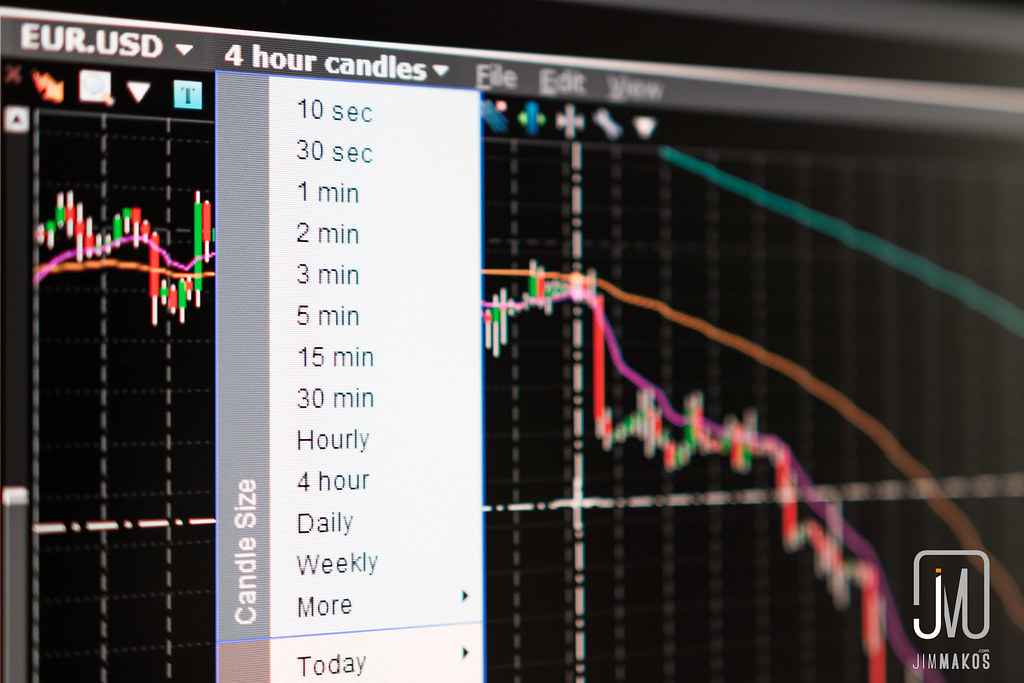
Devizový trh — běžně označovaný jako forex nebo FX — je největším a nejlikvidnějším finančním trhem na světě, kde se každý den vymění biliony dolarů. Pro nováčky přesto může působit neprůhledně. Tento průvodce pro začátečníky srozumitelně vysvětluje, jak forexový trh funguje: co jsou měnové páry, jak fungují pipy a spready, co pohybuje směnnými kurzy a proč činí páka forex zároveň dostupným i skutečně rizikovým.
Naším cílem je vybudovat jasný základ, nikoli povzbuzovat k obchodování. Forex je vážná, vysoce riziková činnost a pochopení jejích mechanismů je prvním krokem k informovanému rozhodování — včetně rozhodnutí, zda se vůbec účastnit.
Co je to forexový trh?
Forexový trh je místo, kde se nakupují a prodávají měny. Na rozdíl od akciové burzy nemá jediné centrální umístění; místo toho funguje jako globální síť bank, institucí, brokerů a jednotlivců obchodujících elektronicky. Funguje 24 hodin denně, pět dní v týdnu, podle otevírací doby hlavních finančních center po celém světě. Tato decentralizovaná, nepřetržitá struktura je součástí toho, co dává forexu jeho obrovskou likviditu.
Většina obchodování s měnami slouží praktickým účelům – mezinárodnímu obchodu, turismu a zajištění ze strany firem. Spekulace, kdy se účastníci snaží profitovat z cenových pohybů, je jen jednou částí mnohem rozsáhlejšího systému.
Jak fungují měnové páry
Měny se vždy obchodují v párech, protože nákup jedné měny znamená prodej jiné. Kotace jako EUR/USD = 1,08 vám říká, kolik druhé měny je potřeba k nákupu jedné jednotky té první.
Základní a kótovaná měna
V každém páru je první měna základní (base) a druhá je kotovací (quote). U EUR/USD je euro základní měnou a americký dolar je kotovací. Pokud cena stoupá, základní měna posiluje vůči kotovací; pokud klesá, základní měna oslabuje. Správné čtení páru je základem pro pochopení každé forexové kotace.
Hlavní, vedlejší a exotické měnové páry
Páry jsou seskupeny podle likvidity. “Majory” zahrnují nejobchodovanější měny, obvykle spárované s americkým dolarem, a mají tendenci mít úzké spready a vysokou likviditu. “Minory” jsou páry hlavních měn, které vylučují dolar. “Exoty” kombinují hlavní měnu s měnou z menší nebo rozvíjející se ekonomiky; jsou méně likvidní, volatilnější a obvykle nesou širší spready a vyšší riziko.
Vysvětlení pipů, spreadů a lotů
Několik měrných jednotek činí forexové ceny konkrétními. “Pip” je nejmenší standardní cenový přírůstek pro většinu párů, obvykle čtvrté desetinné místo. Když se pár pohne z 1,0800 na 1,0801, je to jeden pip.
“Spread” je rozdíl mezi nákupní (ask) a prodejní (bid) cenou. Představuje náklady na obchodování a fakticky znamená, že pozice začíná mírně v záporu. “Lot” je standardizovaná velikost obchodu; menší velikosti lotů umožňují začátečníkům obchodovat s menším kapitálem a rizikem. Pochopení toho, jak na sebe vzájemně působí pipy, spready a velikosti lotů, je zásadní pro pochopení toho, jak se hromadí zisky a ztráty.

Co hýbe směnnými kurzy
Směnné kurzy odrážejí relativní nabídku a poptávku po měnách, kterou utváří řada vzájemně propojených faktorů. Jejich pochopení pomáhá vysvětlit, proč se ceny pohybují, i když jejich předpovídání zůstává notoricky obtížné.
- Úrokové sazby: Vyšší sazby mohou přilákat kapitál a posílit měnu, zatímco snížení sazeb ji může oslabit.
- Ekonomické údaje: Údaje o inflaci, zaměstnanosti a růstu utvářejí očekávání ohledně směřování měny.
- Politika centrální banky: Prohlášení a rozhodnutí centrálních bank patří mezi nejmocnější hybatele pohybů měn.
- Geopolitika a postoj k riziku: Politické události a globální nejistota mohou přesunout poptávku směrem k měnám vnímaným jako bezpečný přístav.
- Obchodní a kapitálové toky: Obchodní a investiční bilance země ovlivňuje poptávku po její měně.
Páka a marže: příležitost i nebezpečí
Forex se často obchoduje s pákovým efektem, což znamená, že malý vklad (marže) ovládá mnohem větší pozici. Pákový efekt je tím, co umožňuje jednotlivcům účastnit se se skromným kapitálem — a je to také to, co činí forex tak rizikovým. Protože měnové pohyby jsou obvykle malé v procentuálním vyjádření, používá se pákový efekt k jejich zesílení, což zesiluje jak zisky, tak ztráty. Malý nepříznivý pohyb může rychle smazat maržový vklad a u některých účtů mohou ztráty překročit vloženou částku. Zacházet s pákovým efektem obezřetně je jedním z nejdůležitějších návyků, které si začátečník může osvojit.
Rizika, kterým by začátečníci měli rozumět
Dostupnost forexu může maskovat jeho obtížnost. Mnoho retailových účastníků přichází o peníze a kombinace pákového efektu, rychlého cenového vývoje a nepřetržitého obchodování dokáže potrestat špatné řízení rizik. Začátečníci by si měli být vědomi volatility, nákladů na spready a financování přes noc, emočního tlaku pákových pozic a rozšířenosti zavádějícího marketingu, který bagatelizuje riziko. Realistické myšlení — chápání forexu jako něčeho obtížného a rizikového spíše než jako snadného příjmu — je samo o sobě formou ochrany.
Často kladené otázky
Co je to forexové obchodování jednoduše řečeno?
Obchodování s forexem je nákup jedné měny při současném prodeji jiné s cílem těžit ze změn jejich relativní hodnoty. Měny se vždy kotují a obchodují v párech.
Je obchodování na forexu vhodné pro začátečníky?
Forex je dostupný, ale vysoce rizikový a mnoho začátečníků přijde o peníze. Pokud se rozhodnete učit, začněte se vzděláváním, demo účtem, minimálním nebo žádným pákovým efektem a pouze penězi, jejichž ztrátu si můžete dovolit.
Co je pip?
Pip je nejmenší standardní cenový pohyb u většiny měnových párů, obvykle čtvrté desetinné místo. Je to základní jednotka používaná k měření zisků a ztrát ve forexu.
Proč se forex obchoduje s pákou?
Protože pohyby měn jsou typicky v procentuálním vyjádření malé, používá se páka k jejich zesílení. To zvyšuje potenciální zisky, ale stejně tak zvyšuje potenciální ztráty, což z toho činí významný zdroj rizika.
Kdy je forexový trh otevřený?
Forexový trh funguje 24 hodin denně, pět dní v týdnu, podle obchodních seancí hlavních finančních center po celém světě. Likvidita se liší podle seance a měnového páru.
Co určuje hodnotu měny?
Hodnota měny odráží nabídku a poptávku, utvářené úrokovými sazbami, ekonomickými daty, politikou centrální banky, obchodními toky a geopolitickými událostmi. Tyto faktory se vzájemně ovlivňují složitými a často nepředvídatelnými způsoby.
Shrnutí
Forexový trh je rozsáhlý, decentralizovaný systém, kde se měny obchodují v párech nepřetržitě. Pochopení základní a kotované měny, pipů a spreadů, faktorů ovlivňujících směnné kurzy a zejména dvojsečné povahy páky vám poskytne pevný základ. Tento základ je důležitý, protože forex je skutečně obtížný a rizikový — právě znalosti odlišují informovanou účast od nákladného tipování. Pokud se chcete dozvědět více, pokračujte s renomovanými vzdělávacími zdroji a nacvičujte si obchodování na demoúčtu, než budete riskovat skutečný kapitál.
Související články
- Řízení rizik v obchodování a investování: Praktický průvodce
- Akcie vs. ETF: Který je lepší pro dlouhodobé investování?
- Jak vytvořit fond pro nouzové situace a rozpočet, který vydrží
Zřeknutí se odpovědnosti
Tento článek slouží pouze ke vzdělávacím a informačním účelům a nepředstavuje investiční, finanční, právní ani daňové poradenství. Má obecnou povahu a nezohledňuje vaše osobní okolnosti. Obchodování na forexu zahrnuje značné riziko, včetně použití páky, která může zvětšit ztráty; můžete přijít o část nebo veškerý svůj kapitál a v určitých případech i o více než svůj počáteční vklad. Vysoký podíl retailových obchodníků při obchodování těchto produktů prodělává peníze. Minulá výkonnost nezaručuje budoucí výsledky. Vždy provádějte vlastní průzkum a zvažte konzultaci s licencovaným, nezávislým finančním odborníkem, než učiníte jakékoli obchodní rozhodnutí.

 English
  German
  Polish
  French
  German (Switzerland)
  Croatian
  Czech
Czech  Italian
  Spanish
  Swedish
  Portuguese (Portugal)
  Portuguese (Brazil)
  Japanese
  Thai
Thai  Danish