
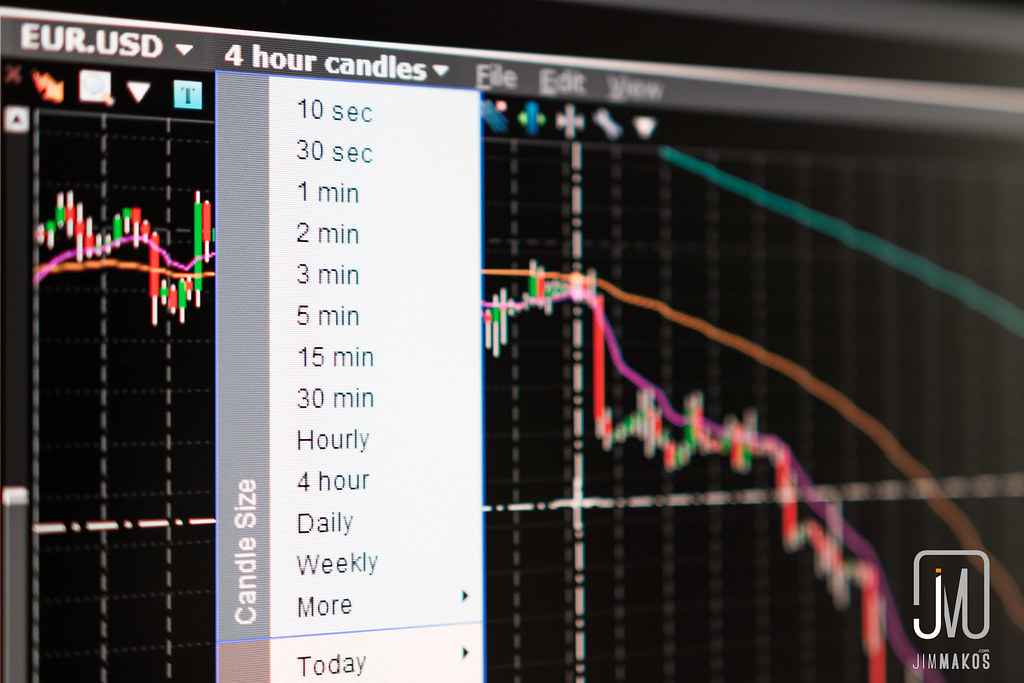
Rynek walutowy – potocznie nazywany forex lub FX – to największy i najbardziej płynny rynek finansowy na świecie, na którym każdego dnia obraca się bilionami dolarów. Jednak dla nowicjuszy może wydawać się on nieprzejrzysty. Ten poradnik dla początkujących wyjaśnia prostym językiem, jak działa rynek forex: czym są pary walutowe, jak działają pipsy i spready, co wpływa na kursy walut i dlaczego dźwignia finansowa sprawia, że forex jest zarówno przystępny, jak i autentycznie ryzykowny.
Naszym celem jest zbudowanie solidnych fundamentów, a nie zachęcanie do handlu. Forex to poważna, ryzykowna działalność, a zrozumienie mechanizmów jej działania to pierwszy krok do podejmowania świadomych decyzji – w tym decyzji o ewentualnym uczestnictwie.
Czym jest rynek Forex?
Rynek Forex to miejsce, gdzie dokonuje się zakupu i sprzedaży walut. W przeciwieństwie do giełdy papierów wartościowych, nie ma on jednej centralnej lokalizacji; działa jako globalna sieć banków, instytucji, brokerów i osób fizycznych handlujących elektronicznie. Działa 24 godziny na dobę, pięć dni w tygodniu, dostosowując się do godzin pracy głównych centrów finansowych na całym świecie. Ta zdecentralizowana, całodobowa struktura jest jednym z czynników, które zapewniają forexowi ogromną płynność.
Większość handlu walutami służy celom praktycznym – handlowi międzynarodowemu, turystyce i zabezpieczeniom dla przedsiębiorstw. Spekulacja, w której uczestnicy próbują czerpać zyski z wahań cen, to tylko jeden element znacznie większego systemu.
Jak działają pary walutowe
Waluty zawsze handluje się parami, ponieważ kupno jednej waluty oznacza sprzedaż innej. Notowanie takie jak EUR/USD = 1,08 informuje, ile drugiej waluty potrzeba do zakupu jednostki pierwszej.
Waluta bazowa i kwotowana
W każdej parze walutowej pierwsza waluta jest bazowa, a druga kwotowana. W parze EUR/USD euro jest bazą, a dolar amerykański kwotowanym. Wzrost ceny oznacza umocnienie się waluty bazowej względem kwotowania; spadek oznacza osłabienie bazy. Prawidłowe odczytanie pary walutowej to podstawa zrozumienia każdego kwotowania walutowego.
Dyscypliny główne, drugorzędne i egzotyczne
Pary są grupowane według płynności. “Majors” obejmują najczęściej wymieniane waluty, zazwyczaj sparowane z dolarem amerykańskim, i zazwyczaj charakteryzują się wąskimi spreadami i wysoką płynnością. “Minors” to pary głównych walut, które nie zawierają dolara. “Exotics” łączą główną walutę z walutą z mniejszej lub rozwijającej się gospodarki; są mniej płynne, bardziej zmienne i zazwyczaj wiążą się z szerszymi spreadami i wyższym ryzykiem.
Wyjaśnienie pipsów, spreadów i partii
Kilka jednostek miary sprawia, że ceny na rynku Forex są konkretne. “Pip” to najmniejszy standardowy przyrost ceny dla większości par walutowych, zazwyczaj czwarte miejsce po przecinku. Zmiana ceny pary z 1,0800 na 1,0801 to jeden pip.
“Spread” to różnica między ceną kupna (ask) a ceną sprzedaży (bid). Stanowi on koszt transakcji i w efekcie oznacza, że pozycja na początku jest nieznacznie ujemna. “Lot” to standardowa wielkość transakcji; mniejsze loty pozwalają początkującym handlować z mniejszym kapitałem i ryzykiem. Zrozumienie, jak pipsy, spready i wielkości lotów oddziałują na siebie, jest kluczowe dla zrozumienia, jak kumulują się zyski i straty.
Co wpływa na kursy walut
Kursy walutowe odzwierciedlają względną podaż i popyt na waluty, na które wpływa szereg powiązanych ze sobą czynników. Zrozumienie tych czynników pomaga wyjaśnić, dlaczego ceny się zmieniają, nawet jeśli ich przewidywanie pozostaje niezwykle trudne.
- Stopy procentowe: Wyższe stopy procentowe mogą przyciągnąć kapitał i wzmocnić walutę, natomiast obniżki stóp mogą ją osłabić.
- Dane ekonomiczne: Oczekiwania co do kierunku rozwoju danej waluty kształtują się na podstawie wskaźników inflacji, zatrudnienia i wzrostu gospodarczego.
- Polityka banku centralnego: Oświadczenia i decyzje banków centralnych należą do najważniejszych czynników wpływających na zmiany kursów walut.
- Geopolityka i nastawienie do ryzyka: Wydarzenia polityczne i globalna niepewność mogą przesunąć popyt w stronę walut uważanych za bezpieczne.
- Przepływy handlowe i kapitałowe: Bilans handlowy danego kraju oraz przepływy inwestycyjne wpływają na popyt na jego walutę.
Dźwignia finansowa i marża: szansa i zagrożenie
Na rynku Forex często handluje się z dźwignią finansową, co oznacza, że niewielki depozyt zabezpieczający kontroluje znacznie większą pozycję. Dźwignia finansowa pozwala inwestorom inwestować przy niewielkim kapitale – i to właśnie sprawia, że rynek Forex jest tak ryzykowny. Ponieważ wahania kursów walut są zazwyczaj niewielkie w ujęciu procentowym, dźwignia finansowa jest wykorzystywana do ich wzmocnienia, co z kolei zwiększa zarówno zyski, jak i straty. Niewielki niekorzystny ruch może szybko zniwelować depozyt zabezpieczający, a na niektórych kontach straty mogą przekroczyć wpłaconą kwotę. Ostrożne podejście do dźwigni finansowej to jeden z najważniejszych nawyków, jakie może wykształcić początkujący inwestor.
Ryzyko, które powinni zrozumieć początkujący
Dostępność rynku Forex może maskować jego trudności. Wielu uczestników rynku detalicznego traci pieniądze, a połączenie dźwigni finansowej, szybkiej zmiany cen i handlu całodobowego może ukarać słabych. zarządzanie ryzykiem. Początkujący powinni być świadomi zmienności, kosztów spreadów i finansowania overnight, presji emocjonalnej związanej z pozycjami lewarowanymi oraz powszechności mylącego marketingu, który bagatelizuje ryzyko. Realistyczne podejście – traktowanie rynku forex jako trudnego i ryzykownego, a nie łatwego źródła dochodu – samo w sobie stanowi formę ochrony.
Często zadawane pytania
Czym w skrócie jest handel forex?
Handel na rynku Forex polega na kupowaniu jednej waluty i jednoczesnej sprzedaży innej, dążąc do czerpania korzyści ze zmian ich wartości względnej. Waluty są zawsze notowane i handlowane parami.
Czy handel na rynku Forex jest odpowiedni dla początkujących?
Forex jest dostępny, ale obarczony wysokim ryzykiem, a wielu początkujących traci pieniądze. Jeśli zdecydujesz się na naukę, zacznij od edukacji, konta demo, minimalnej lub zerowej dźwigni finansowej i tylko pieniędzy, na których stratę możesz sobie pozwolić.
Co to jest pip?
Pips to najmniejsza standardowa zmiana ceny w większości par walutowych, zazwyczaj czwarte miejsce po przecinku. Jest to podstawowa jednostka miary zysków i strat na rynku Forex.
Dlaczego na rynku Forex handluje się z wykorzystaniem dźwigni finansowej?
Ponieważ wahania kursów walut są zazwyczaj niewielkie w ujęciu procentowym, dźwignia finansowa jest wykorzystywana do ich wzmocnienia. Zwiększa to potencjalne zyski, ale jednocześnie zwiększa potencjalne straty, co czyni dźwignię finansową istotnym źródłem ryzyka.
Kiedy jest otwarty rynek Forex?
Rynek Forex działa 24 godziny na dobę, pięć dni w tygodniu, śledząc sesje handlowe głównych centrów finansowych na całym świecie. Płynność różni się w zależności od sesji i pary walutowej.
Co decyduje o wartości waluty?
Wartość waluty odzwierciedla podaż i popyt, kształtowane przez stopy procentowe, dane ekonomiczne, politykę banku centralnego, przepływy handlowe i wydarzenia geopolityczne. Czynniki te oddziałują na siebie w złożony i często nieprzewidywalny sposób.
Streszczenie
Rynek Forex to rozległy, zdecentralizowany system, w którym waluty są przedmiotem handlu parami walut przez całą dobę. Zrozumienie walut bazowych i kwotowanych, pipsów i spreadów, czynników wpływających na kursy walut, a zwłaszcza obosiecznej natury dźwigni finansowej, daje solidne podstawy. Te podstawy są ważne, ponieważ rynek Forex jest naprawdę trudny i ryzykowny – wiedza to czynnik odróżniający świadome uczestnictwo od kosztownej spekulacji. Jeśli chcesz dowiedzieć się więcej, kontynuuj korzystanie z renomowanych materiałów edukacyjnych i poćwicz na koncie demo, zanim zaryzykujesz prawdziwy kapitał.
Powiązane artykuły
- Zarządzanie ryzykiem w handlu i inwestowaniu: praktyczny przewodnik
- Akcje czy ETF-y: co jest lepsze do długoterminowego inwestowania?
- Jak stworzyć fundusz awaryjny i budżet na lata
Zastrzeżenie
Niniejszy artykuł ma charakter wyłącznie edukacyjny i informacyjny i nie stanowi porady inwestycyjnej, finansowej, prawnej ani podatkowej. Ma on charakter ogólny i nie uwzględnia Twojej sytuacji osobistej. Handel na rynku Forex wiąże się ze znacznym ryzykiem, w tym z wykorzystaniem dźwigni finansowej, która może zwielokrotnić straty; możesz stracić część lub całość swojego kapitału, a w niektórych przypadkach więcej niż początkowy depozyt. Duży odsetek inwestorów detalicznych traci pieniądze na handlu tymi produktami. Wyniki z przeszłości nie gwarantują przyszłych rezultatów. Zawsze przeprowadzaj własną analizę i rozważ konsultację z licencjonowanym, niezależnym doradcą finansowym przed podjęciem jakiejkolwiek decyzji inwestycyjnej.

 English
  German
  Polish
  French
  German (Switzerland)
  Croatian
  Czech
Czech  Italian
  Spanish
  Swedish
  Portuguese (Portugal)
  Portuguese (Brazil)
  Japanese
  Thai
Thai  Danish