

Sponsoreret / Partnerindhold. Denne artikel er udgivet i samarbejde med KryptérAutoX. Den er kun beregnet til uddannelsesmæssige formål og udgør ikke finansiel rådgivning eller investeringsrådgivning. Se den fulde ansvarsfraskrivelse i slutningen af denne artikel.
Kunstig intelligens er gået fra at være et buzzword til at være en fungerende del af mange kryptohandleres værktøjssæt. I 2026 beskriver "AI-handel" et bredt sæt af teknikker, der analyserer data, genererer signaler og i nogle tilfælde automatisk placerer handler. Denne guide forklarer, hvordan disse systemer rent faktisk fungerer, hvad de realistisk kan gøre, og - lige så vigtigt - hvor deres begrænsninger og risici ligger. Målet er at give dig et klart og afbalanceret billede snarere end hype.

Hvad "AI-handel" egentlig betyder i 2026
Udtrykket "AI-handel" bruges løst. For nogle betyder det en regelbaseret bot, der følger faste instruktioner. For andre refererer det til ægte maskinlæringsmodeller, der tilpasser sig nye data. Det er vigtigt at forstå forskellen, fordi de to tilgange indebærer meget forskellige muligheder og risici. Algoritmisk kryptohandel er ikke ny, men integrationen af maskinlæringshandelsbots og prædiktiv analyse har udvidet, hvad disse systemer forsøger at gøre.
Maskinlæring vs. simpel automatisering
Simpel automatisering udfører foruddefinerede regler: "Hvis prisen krydser dette glidende gennemsnit, køb." Den gør præcis, hvad den får besked på, intet mere. Maskinlæring identificerer derimod mønstre i historiske og live data og opdaterer sine interne parametre over tid. En maskinlæringsmodel kan veje snesevis af indikatorer samtidigt og justere sin adfærd, efterhånden som markedsforholdene ændrer sig. Denne tilpasningsevne er stærk, men den gør også systemet sværere at fortolke og lettere at overtilpasse til tidligere data, der muligvis ikke gentages.
Dataene der fodrer AI-modeller
AI-systemer er kun så gode som de data, de forbruger. Inden for krypto omfatter disse data typisk pris- og volumenhistorik, ordrebogsdybde, on-chain-målinger såsom wallet-aktivitet og udvekslingsstrømme, og nogle gange sentiment udledt af nyheder eller sociale medier. Renere, mere repræsentative data har en tendens til at producere mere pålidelige modeller. Dårlige eller forudindtagede data - for eksempel en stikprøve, der kun er taget fra et langt bullmarked - kan producere en model, der ser fremragende ud i test, men som klarer sig dårligt, når forholdene ændrer sig.
Kernekomponenterne i et AI-kryptohandelssystem
De fleste AI-handelsplatforme, uanset branding, deler en lignende arkitektur. At opdele den i komponenter hjælper med at afmystificere, hvad der sker bag et poleret dashboard.
Dataindtagelse og signalgenerering
Den første fase indsamler markedsdata fra børser og andre kilder i næsten realtid. Modellen behandler derefter denne strøm for at producere signaler - kvantificerede estimater af, om et aktiv kan stige, falde eller forblive uændret over en given horisont. Kryptohandelssignaler er probabilistiske, ikke sikre. Et veldesignet system kommunikerer konfidensniveauer snarere end at præsentere forudsigelser som garantier.
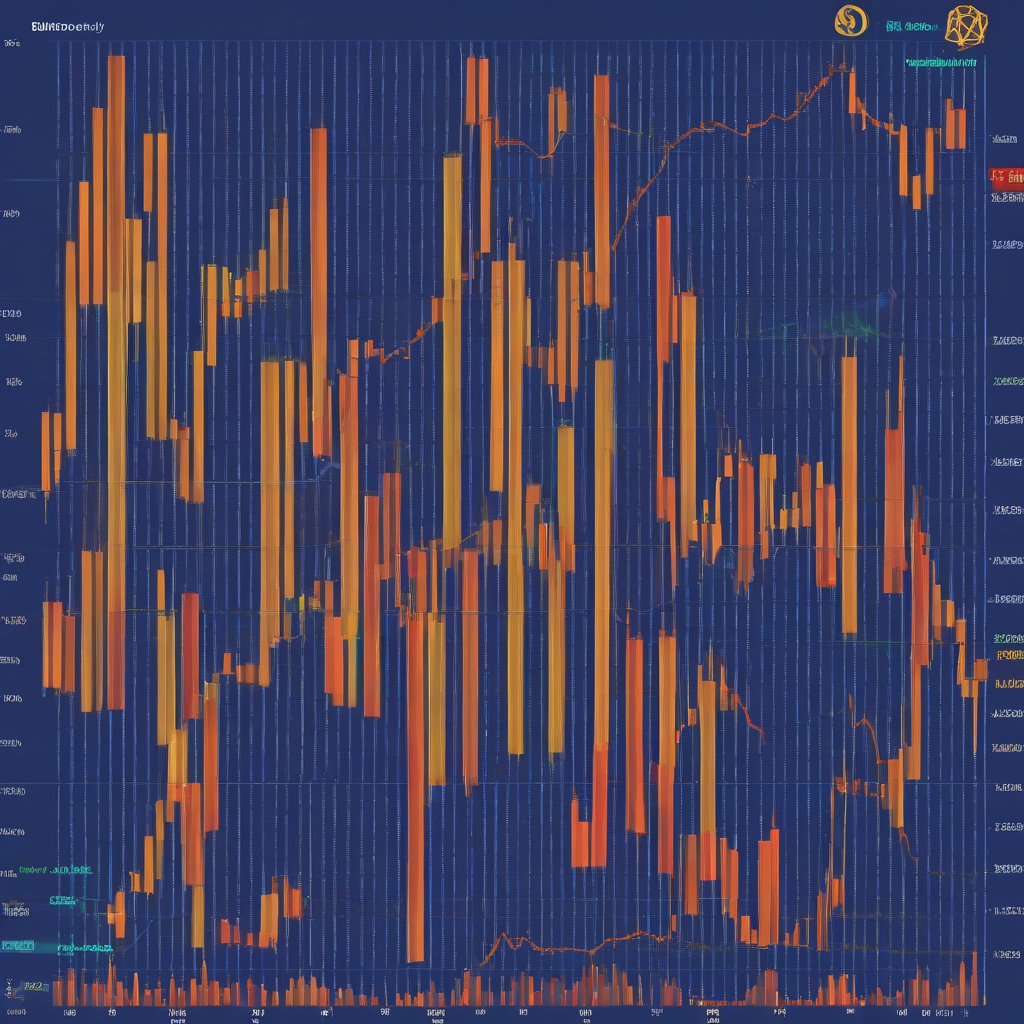
Strategieksekvering og risikostyring
Når et signal er genereret, beslutter eksekveringslaget, hvad der skal gøres med det. Det er her, risikostyring betyder mest: positionsstørrelse, stop-loss-niveauer, maksimale drawdown-grænser og eksponeringslofter. De mest ansvarlige systemer behandler risikostyring som en førsteklasses funktion, ikke en eftertanke. Uden robuste kontroller kan selv en præcis signalmotor give skadelige resultater under volatile eller illikvide forhold.
Hvor AI virkelig hjælper (og hvor den ikke gør)
AI tilbyder reelle, praktiske fordele inden for specifikke områder. Den kan overvåge mange markeder kontinuerligt uden træthed, behandle store datasæt hurtigere end et menneske og anvende regler konsekvent – hvilket fjerner noget af den følelsesmæssige beslutningstagning, der ofte skader manuelle handlere. Automatiserede kryptovalutastrategier kan også reagere på definerede forhold inden for millisekunder.
AI forudsiger dog ikke fremtiden. Den kan ikke forudse virkelig nye begivenheder – regulatoriske chok, børsfejl eller sorte svanebevægelser – som ikke har nogen præcedens i dens træningsdata. Den kan også forstærke fejl: en fejlbehæftet strategi, der udføres automatisk, kan tabe penge hurtigere end et forsigtigt menneske ville. At behandle AI som et beslutningsstøtteværktøj snarere end et ufejlbarligt orakel er den realistiske holdning. Hvis du stadig overvejer beslutningen, er vores guide om Om AI er værd at bruge til kryptovalutahandel udforsker afvejningerne i detaljer.
Vigtigste risici og begrænsninger
Flere risici fortjener at blive fremhævet. Overtilpasning opstår, når en model lærer historisk støj at kende i stedet for varige mønstre, hvilket giver imponerende backtests, men svage live-resultater. Ændring af markedsregime kan gøre en tidligere effektiv model forældet. Tekniske og sikkerhedsmæssige risici — nedbrud, API-fejl eller kompromitterede legitimationsoplysninger — kan forårsage tab, der ikke er relateret til modellens kvalitet. Og overafhængighed kan føre til, at brugerne afbryder deres egen risikostyring og antager, at systemet vil håndtere alt. Ingen af disse risici forsvinder, blot fordi en platform bruger avanceret teknologi.
Platforme der bruger AI i 2026
En række platforme inkorporerer nu AI-funktioner, lige fra etablerede børser, der tilføjer automatiserede værktøjer, til dedikerede tjenester bygget op omkring algoritmiske strategier. KryptérAutoX er et eksempel på en platform, der markedsføres omkring AI-assisteret kryptohandel. Som med enhver sådan tjeneste bør potentielle brugere vurdere den ud fra dens fordele: gennemsigtighed omkring, hvordan dens modeller fungerer, kvaliteten af dens risikokontroller, dens gebyrstruktur, dens sikkerhedspraksis og klarheden af dens oplysninger. Ingen platform - uanset hvor sofistikeret dens teknologi lyder - kan fjerne den iboende risiko ved kryptovalutamarkeder. For et nærmere kig på en sådan tjeneste, se vores Ærlig CryptifyAutoX anmeldelse for 2026.
Ofte stillede spørgsmål
Garanterer AI profit i kryptohandel?
Nej. AI kan forbedre konsistens og hastighed, men den kan ikke garantere profit. Kryptovalutamarkeder er ustabile og uforudsigelige, og al handel indebærer risiko for tab, herunder tab af hele din kapital.
Er AI-handel bedre end manuel handel?
Ingen af delene er universelt bedre. AI udmærker sig ved hastighed, konsistens og behandling af store datasæt, mens mennesker bidrager med dømmekraft og kontekst. Mange handlende bruger AI som et støtteværktøj sammen med deres egen analyse i stedet for helt at erstatte det.
Hvilke data bruger AI-kryptomodeller?
Typisk pris- og volumenhistorik, ordrebogsdata, on-chain-målinger og nogle gange sentiment fra nyheder eller sociale medier. Kvaliteten og repræsentativiteten af disse data har stor indflydelse på, hvor pålidelig modellen er.
Kan AI reagere på uventede markedsbegivenheder?
Kun i begrænset grad. AI reagerer på mønstre, den har set før. Ægte nye begivenheder – såsom pludselig regulering eller fejl i udvekslinger – falder uden for dens træningsdata og kan føre til dårlige beslutninger, hvis der ikke er nogen sikkerhedsforanstaltninger på plads.
Er AI-handelsplatforme sikre?
Sikkerheden varierer fra udbyder til udbyder. Vigtige faktorer omfatter sikkerhedspraksis, gennemsigtighed, lovgivningsmæssig status og styrken af risikostyring. Brugere bør undersøge enhver platform omhyggeligt og aldrig investere mere, end de har råd til at tabe.
Skal jeg stadig forstå trading, hvis jeg bruger AI?
Ja. Forståelse af det grundlæggende inden for handel og risikostyring hjælper dig med at fastsætte passende parametre, fortolke resultater fornuftigt og undgå at stole for meget på automatisering. AI er et værktøj, ikke en erstatning for informeret beslutningstagning.
Oversigt
AI i kryptohandel i 2026 forstås bedst som et sofistikeret sæt værktøjer til at analysere data, generere signaler og udføre strategier med disciplin. Brugt omhyggeligt – med realistiske forventninger og stærk risikostyring – kan det understøtte en traders proces. Brugt uforsigtigt kan det forstørre tab. Hvis du vælger at udforske AI-assisterede platforme som f.eks. KryptérAutoX, gør det med klare øjne, beskedne stillingsstørrelser og en forpligtelse til løbende læring.
Relaterede artikler
- CryptifyAutoX anmeldelse 2026 – En ærlig analyse
- Er det værd at bruge AI til handel med kryptovaluta i 2026?
Ansvarsfraskrivelse
Denne artikel er kun til uddannelsesmæssige og informative formål og udgør ikke finansiel, investeringsmæssig, juridisk eller skattemæssig rådgivning. Kryptovalutahandel indebærer betydelig risiko, herunder potentielt tab af hele din investering. Tidligere resultater og backtestede resultater garanterer ikke fremtidige resultater. AI og automatiserede værktøjer kan fejle eller opføre sig uventet. Intet her bør fortolkes som en anbefaling om at købe, sælge eller bruge et bestemt aktiv, en bestemt strategi eller en bestemt platform. Dette er sponsoreret/partnerindhold; udgiveren kan modtage kompensation. Foretag altid din egen research og konsulter en kvalificeret, autoriseret finansiel professionel, før du træffer nogen investeringsbeslutning. Invester aldrig mere, end du har råd til at tabe.

 English
  German
  Polish
  French
  German (Switzerland)
  Croatian
  Czech
Czech  Italian
  Spanish
  Swedish
  Portuguese (Portugal)
  Portuguese (Brazil)
  Japanese
  Thai
Thai  Danish