
Contenido patrocinado/de socios. Este artículo se publica en colaboración con CriptificarAutoX. Tiene una finalidad exclusivamente educativa y no constituye asesoramiento financiero ni de inversión. Consulta el descargo de responsabilidad completo al final de este artículo.
La inteligencia artificial ha pasado de ser una palabra de moda a una parte operativa del conjunto de herramientas de muchos traders de criptomonedas. En 2026, el «trading con IA» describe un amplio conjunto de técnicas que analizan datos, generan señales y, en algunos casos, ejecutan operaciones automáticamente. Esta guía explica cómo funcionan realmente estos sistemas, qué pueden hacer de forma realista y, lo que es igual de importante, dónde están sus límites y riesgos. El objetivo es ofrecerte una imagen clara y equilibrada, en lugar de alimentar la exageración.

Qué significa realmente el “trading con IA” en 2026
La expresión “trading con IA” se usa de forma imprecisa. Para algunos significa un bot basado en reglas que sigue instrucciones fijas. Para otros se refiere a auténticos modelos de aprendizaje automático que se adaptan a nuevos datos. Comprender la diferencia importa porque los dos enfoques conllevan capacidades y riesgos muy diferentes. El trading algorítmico de criptomonedas no es nuevo, pero la integración de bots de trading de aprendizaje automático y análisis predictivo ha ampliado lo que estos sistemas intentan hacer.
Aprendizaje automático frente a automatización simple
La automatización simple ejecuta reglas predefinidas: “si el precio cruza esta media móvil, compra”. Hace exactamente lo que se le indica, nada más. El aprendizaje automático, en cambio, identifica patrones en datos históricos y en tiempo real y actualiza sus parámetros internos con el tiempo. Un modelo de aprendizaje automático podría ponderar docenas de indicadores simultáneamente y ajustar su comportamiento a medida que cambian las condiciones del mercado. Esta capacidad de adaptación es potente, pero también hace que el sistema sea más difícil de interpretar y más fácil de sobreajustar a datos pasados que podrían no repetirse.
Los datos que alimentan los modelos de IA
Los sistemas de IA son tan buenos como los datos que consumen. En el ámbito cripto, esos datos suelen incluir el histórico de precios y volumen, la profundidad del libro de órdenes, métricas on-chain como la actividad de las carteras y los flujos de los exchanges, y a veces el sentimiento derivado de noticias o redes sociales. Unos datos más limpios y representativos tienden a producir modelos más fiables. Unos datos deficientes o sesgados —por ejemplo, una muestra extraída únicamente de un largo mercado alcista— pueden producir un modelo que parece excelente en las pruebas pero que rinde mal cuando cambian las condiciones.
Los componentes esenciales de un sistema de trading de cripto con IA
La mayoría de las plataformas de trading con IA, independientemente de la marca, comparten una arquitectura similar. Desglosarla en componentes ayuda a desmitificar lo que está ocurriendo detrás de un panel de control pulido.
Ingesta de datos y generación de señales
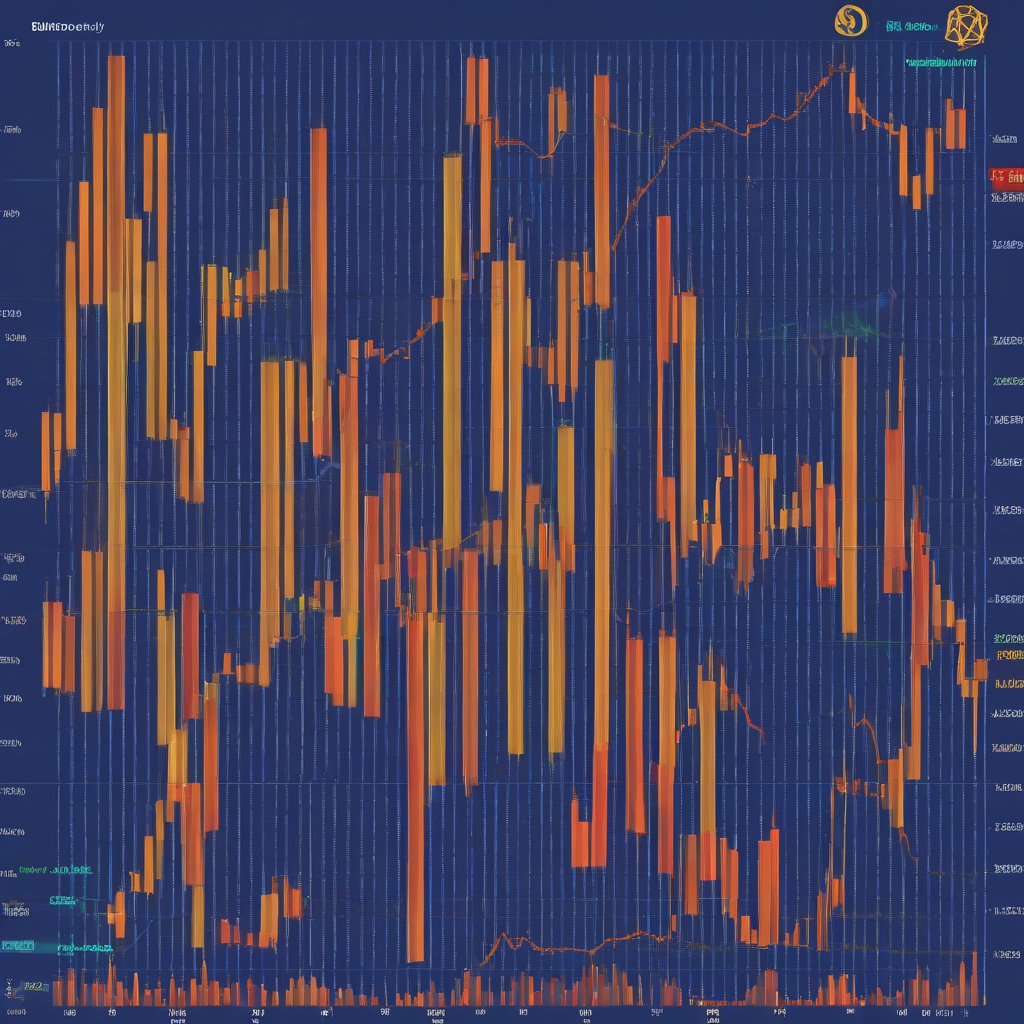
La primera etapa recopila datos de mercado de los exchanges y de otras fuentes casi en tiempo real. A continuación, el modelo procesa este flujo para producir señales: estimaciones cuantificadas de si un activo puede subir, bajar o mantenerse estable en un horizonte determinado. Las señales de trading de criptomonedas son probabilísticas, no certezas. Un sistema bien diseñado comunica niveles de confianza en lugar de presentar las predicciones como garantías.
Ejecución de la estrategia y controles de riesgo
Una vez que se genera una señal, la capa de ejecución decide qué hacer con ella. Aquí es donde más importan los controles de riesgo: el dimensionamiento de posiciones, los niveles de stop-loss, los límites máximos de drawdown y los topes de exposición. Los sistemas más responsables tratan la gestión del riesgo como una característica de primer orden, no como algo secundario. Sin controles sólidos, incluso un motor de señales preciso puede producir resultados perjudiciales durante condiciones volátiles o de baja liquidez.
Dónde ayuda realmente la IA (y dónde no)
La IA ofrece ventajas reales y prácticas en áreas concretas. Puede supervisar muchos mercados de forma continua sin fatiga, procesar grandes conjuntos de datos más rápido que un humano y aplicar reglas de forma consistente, eliminando parte de la toma de decisiones emocional que a menudo perjudica a los operadores manuales. Las estrategias automatizadas de criptomonedas también pueden reaccionar a condiciones definidas en cuestión de milisegundos.
Sin embargo, la IA no predice el futuro. No puede anticipar eventos genuinamente novedosos —shocks regulatorios, quiebras de exchanges o movimientos de cisne negro— que no tienen precedentes en sus datos de entrenamiento. También puede amplificar errores: una estrategia defectuosa ejecutada automáticamente puede perder dinero más rápido de lo que lo haría un humano prudente. Tratar la IA como una herramienta de apoyo a la toma de decisiones, y no como un oráculo infalible, es la postura realista. Si todavía estás sopesando la decisión, nuestra guía sobre Si vale la pena usar la IA para el comercio de criptomonedas. explora las ventajas y desventajas en detalle.
Riesgos y limitaciones clave
Conviene destacar varios riesgos. Sobreajuste ocurre cuando un modelo aprende el ruido histórico en lugar de patrones duraderos, produciendo backtests impresionantes pero resultados pobres en tiempo real. Cambio de régimen del mercado puede dejar obsoleto un modelo que antes era eficaz. Riesgos técnicos y de seguridad — caídas del servicio, fallos de la API o credenciales comprometidas— pueden causar pérdidas ajenas a la calidad del modelo. Y dependencia excesiva puede llevar a los usuarios a desentenderse de su propia gestión del riesgo, dando por hecho que el sistema se ocupará de todo. Ninguno de estos riesgos desaparece por el simple hecho de que una plataforma utilice tecnología avanzada.
Plataformas que usan IA en 2026
Diversas plataformas incorporan ahora funciones de IA, desde exchanges consolidados que añaden herramientas automatizadas hasta servicios específicos construidos en torno a estrategias algorítmicas. CriptificarAutoX es un ejemplo de plataforma comercializada en torno al trading de criptomonedas asistido por IA. Como con cualquier servicio de este tipo, los posibles usuarios deberían evaluarla por sus méritos: la transparencia sobre cómo funcionan sus modelos, la calidad de sus controles de riesgo, su estructura de comisiones, sus prácticas de seguridad y la claridad de su información. Ninguna plataforma —por muy sofisticada que suene su tecnología— puede eliminar el riesgo inherente a los mercados de criptomonedas. Para un análisis más detallado de uno de estos servicios, consulta nuestro Análisis honesto de CryptifyAutoX para 2026.
Preguntas frecuentes
¿La IA garantiza beneficios en el trading de criptomonedas?
No. La IA puede mejorar la consistencia y la velocidad, pero no puede garantizar beneficios. Los mercados de criptomonedas son volátiles e impredecibles, y todo trading conlleva el riesgo de pérdida, incluida la pérdida de la totalidad de tu capital.
¿Es el trading con IA mejor que el trading manual?
Ninguno es mejor de forma universal. La IA destaca en velocidad, consistencia y procesamiento de grandes conjuntos de datos, mientras que las personas aportan criterio y contexto. Muchos traders utilizan la IA como herramienta de apoyo junto a su propio análisis, en lugar de sustituirlo por completo.
¿Qué datos utilizan los modelos de IA para criptomonedas?
Normalmente, el historial de precios y volumen, los datos del libro de órdenes, las métricas on-chain y, en ocasiones, el sentimiento procedente de las noticias o las redes sociales. La calidad y la representatividad de estos datos influyen enormemente en la fiabilidad del modelo.
¿Puede la IA reaccionar ante acontecimientos imprevistos del mercado?
Solo hasta cierto punto. La IA responde a patrones que ha visto antes. Los eventos genuinamente novedosos —como una regulación repentina o la quiebra de exchanges— quedan fuera de sus datos de entrenamiento y pueden llevar a malas decisiones si no hay salvaguardas establecidas.
¿Son seguras las plataformas de trading con IA?
La seguridad varía según el proveedor. Entre los factores importantes están las prácticas de seguridad, la transparencia, la situación regulatoria y la solidez de los controles de riesgo. Los usuarios deben investigar cualquier plataforma con detenimiento y nunca invertir más de lo que puedan permitirse perder.
¿Todavía tengo que entender el trading si uso IA?
Sí. Comprender los conceptos básicos del trading y la gestión del riesgo te ayuda a establecer parámetros adecuados, interpretar los resultados con sensatez y evitar depender en exceso de la automatización. La IA es una herramienta, no un sustituto de la toma de decisiones informada.
Resumen
La IA en el trading de cripto en 2026 se entiende mejor como un sofisticado conjunto de herramientas para analizar datos, generar señales y ejecutar estrategias con disciplina. Usada con criterio —con expectativas realistas y una sólida gestión del riesgo—, puede apoyar el proceso de un operador. Usada de forma descuidada, puede magnificar las pérdidas. Si decides explorar plataformas asistidas por IA como CriptificarAutoX, hazlo con plena lucidez, tamaños de posición modestos y un compromiso con el aprendizaje continuo.
Artículos relacionados
- Análisis de CryptifyAutoX 2026: una reseña honesta
- ¿Merece la pena utilizar la IA para el comercio de criptomonedas en 2026?
Descargo de responsabilidad
Este artículo tiene fines exclusivamente educativos e informativos y no constituye asesoramiento financiero, de inversión, legal o fiscal. El trading de criptomonedas conlleva un riesgo sustancial, incluida la posible pérdida de la totalidad de tu inversión. Los resultados pasados y los de los backtests no garantizan resultados futuros. Las herramientas de IA y automatizadas pueden fallar o comportarse de forma inesperada. Nada de lo aquí expuesto debe interpretarse como una recomendación para comprar, vender o utilizar ningún activo, estrategia o plataforma en particular. Este es contenido patrocinado / de colaboración; el editor puede recibir una compensación. Lleva siempre a cabo tu propia investigación y consulta a un profesional financiero cualificado y autorizado antes de tomar cualquier decisión de inversión. Nunca inviertas más de lo que puedas permitirte perder.

 English
  German
  Polish
  French
  German (Switzerland)
  Croatian
  Czech
Czech  Italian
  Spanish
  Swedish
  Portuguese (Portugal)
  Portuguese (Brazil)
  Japanese
  Thai
Thai  Danish