
Gesponserte Inhalte / Partnerinhalte. Dieser Artikel wird in Zusammenarbeit mit veröffentlicht CryptifyAutoX. Dieser Text dient ausschließlich Bildungszwecken und stellt keine Finanz- oder Anlageberatung dar. Den vollständigen Haftungsausschluss finden Sie am Ende dieses Artikels.
Künstliche Intelligenz hat sich von einem Schlagwort zu einem funktionierenden Bestandteil der Werkzeugkästen vieler Krypto-Trader entwickelt. Im Jahr 2026 beschreibt “KI-Handel” eine breite Palette von Techniken, die Daten analysieren, Signale erzeugen und in einigen Fällen Trades automatisch platzieren. Dieser Leitfaden erklärt, wie diese Systeme tatsächlich funktionieren, was sie realistisch leisten können und – ebenso wichtig – wo ihre Grenzen und Risiken liegen. Das Ziel ist, Ihnen ein klares, ausgewogenes Bild statt Hype zu vermitteln.

Was “KI-Trading” im Jahr 2026 tatsächlich bedeutet
Der Begriff “KI-Trading” wird unscharf verwendet. Für die einen bedeutet er einen regelbasierten Bot, der festen Anweisungen folgt. Für andere bezeichnet er echte Machine-Learning-Modelle, die sich an neue Daten anpassen. Den Unterschied zu verstehen, ist wichtig, weil die beiden Ansätze sehr unterschiedliche Fähigkeiten und Risiken mit sich bringen. Algorithmischer Krypto-Handel ist nicht neu, doch die Integration von Machine-Learning-Trading-Bots und prädiktiver Analytik hat erweitert, was diese Systeme zu leisten versuchen.
Maschinelles Lernen vs. einfache Automatisierung
Einfache Automatisierung führt vordefinierte Regeln aus: “Wenn der Kurs diesen gleitenden Durchschnitt kreuzt, kaufe.” Sie tut genau das, was ihr aufgetragen wird, nicht mehr. Maschinelles Lernen hingegen erkennt Muster in historischen und Echtzeitdaten und aktualisiert seine internen Parameter im Laufe der Zeit. Ein Modell für maschinelles Lernen könnte Dutzende von Indikatoren gleichzeitig gewichten und sein Verhalten anpassen, wenn sich die Marktbedingungen verändern. Diese Anpassungsfähigkeit ist mächtig, macht das System aber auch schwerer interpretierbar und anfälliger für eine Überanpassung an vergangene Daten, die sich möglicherweise nicht wiederholen.
Die Daten, die KI-Modelle speisen
KI-Systeme sind nur so gut wie die Daten, die sie verarbeiten. Im Kryptobereich umfassen diese Daten typischerweise Kurs- und Volumenverläufe, die Tiefe des Orderbuchs, On-Chain-Metriken wie Wallet-Aktivität und Börsenflüsse sowie manchmal die aus Nachrichten oder sozialen Medien abgeleitete Stimmung. Sauberere, repräsentativere Daten führen tendenziell zu zuverlässigeren Modellen. Schlechte oder verzerrte Daten – zum Beispiel eine Stichprobe, die nur aus einem langen Bullenmarkt stammt – können ein Modell hervorbringen, das im Test hervorragend aussieht, aber schlecht abschneidet, wenn sich die Bedingungen ändern.
Die Kernkomponenten eines KI-Krypto-Handelssystems
Die meisten KI-Handelsplattformen teilen, unabhängig vom Branding, eine ähnliche Architektur. Sie in ihre Komponenten zu zerlegen, hilft zu entmystifizieren, was hinter einem geschliffenen Dashboard geschieht.
Datenerfassung und Signalgenerierung
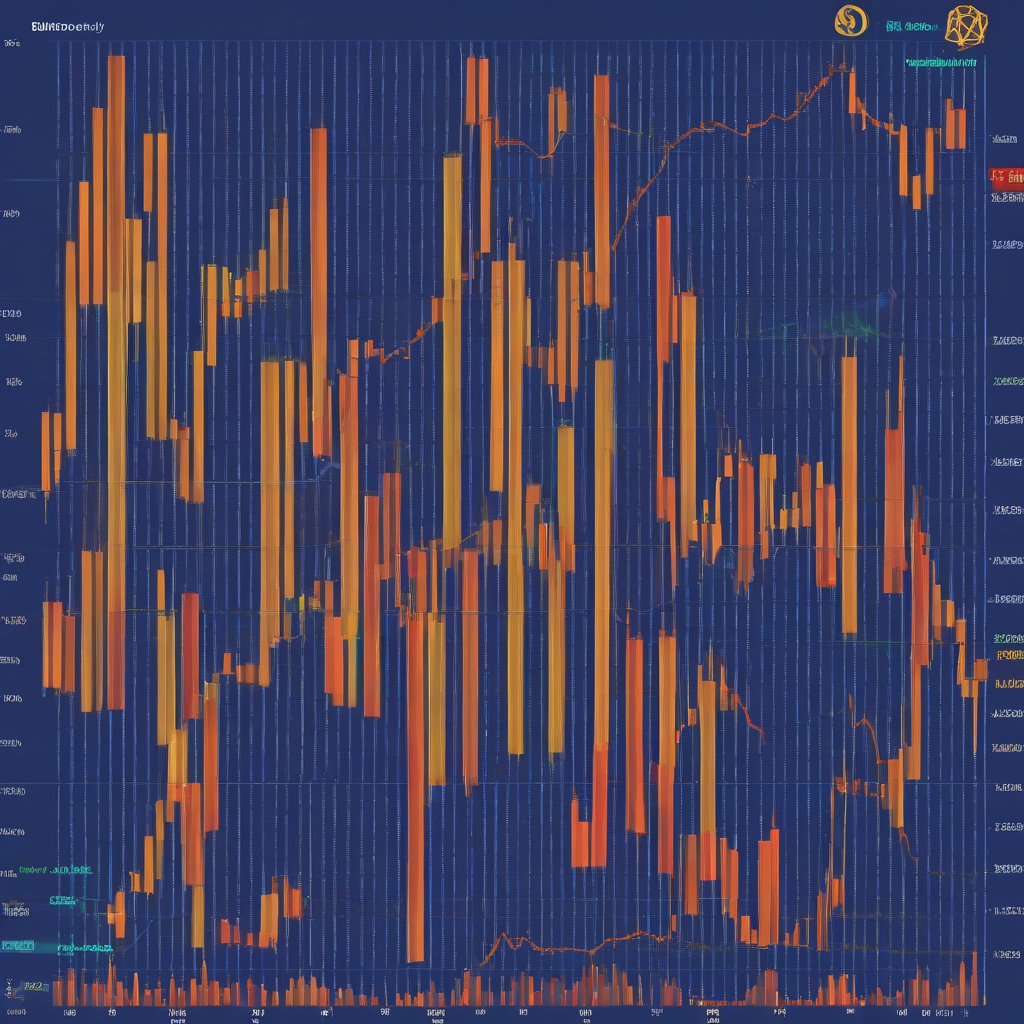
Die erste Stufe sammelt nahezu in Echtzeit Marktdaten von Börsen und anderen Quellen. Das Modell verarbeitet diesen Datenstrom anschliessend, um Signale zu erzeugen – quantifizierte Schätzungen, ob ein Vermögenswert über einen bestimmten Zeithorizont steigen, fallen oder unverändert bleiben könnte. Krypto-Handelssignale sind probabilistisch, nicht gewiss. Ein gut konzipiertes System kommuniziert Konfidenzniveaus, anstatt Vorhersagen als Garantien darzustellen.
Strategieumsetzung und Risikokontrolle
Sobald ein Signal generiert wurde, entscheidet die Ausführungsebene, was damit zu tun ist. Hier sind Risikokontrollen am wichtigsten: Positionsgrössenbestimmung, Stop-Loss-Niveaus, maximale Drawdown-Limits und Engagement-Obergrenzen. Die verantwortungsvollsten Systeme behandeln das Risikomanagement als erstrangige Funktion, nicht als nachträglichen Gedanken. Ohne robuste Kontrollen kann selbst eine präzise Signal-Engine unter volatilen oder illiquiden Bedingungen schädliche Ergebnisse hervorbringen.
Wo KI wirklich hilft (und wo nicht)
KI bietet in bestimmten Bereichen echte, praktische Vorteile. Sie kann viele Märkte kontinuierlich und ohne Ermüdung überwachen, grosse Datensätze schneller als ein Mensch verarbeiten und Regeln konsequent anwenden – wodurch ein Teil der emotionalen Entscheidungsfindung wegfällt, die manuellen Tradern oft schadet. Automatisierte Kryptowährungsstrategien können zudem innerhalb von Millisekunden auf definierte Bedingungen reagieren.
KI sagt die Zukunft jedoch nicht voraus. Sie kann wirklich neuartige Ereignisse nicht antizipieren – regulatorische Schocks, Börsenzusammenbrüche oder Black-Swan-Bewegungen –, für die es in ihren Trainingsdaten keinen Präzedenzfall gibt. Sie kann zudem Fehler verstärken: Eine fehlerhafte Strategie, die automatisch ausgeführt wird, kann schneller Geld verlieren, als ein vorsichtiger Mensch es täte. KI als Entscheidungshilfe und nicht als unfehlbares Orakel zu betrachten, ist die realistische Haltung. Falls Sie die Entscheidung noch abwägen, finden Sie in unserem Leitfaden zu ob es sich lohnt, KI für den Kryptowährungshandel zu nutzen untersucht die Abwägungen im Detail.
Wichtigste Risiken und Einschränkungen
Einige Risiken verdienen besondere Beachtung. Überanpassung Tritt auf, wenn ein Modell historisches Rauschen anstatt dauerhafter Muster lernt, was zu beeindruckenden Backtests, aber schwachen Live-Ergebnissen führt. Marktregimeänderung kann ein zuvor wirksames Modell obsolet machen. Technische und Sicherheitsrisiken — Ausfälle, API-Fehler oder kompromittierte Zugangsdaten — können Verluste verursachen, die nichts mit der Qualität des Modells zu tun haben. Und übermäßige Abhängigkeit kann dazu führen, dass sich Nutzer von ihrem eigenen Risikomanagement zurückziehen, weil sie annehmen, das System werde sich um alles kümmern. Keines dieser Risiken verschwindet einfach, weil eine Plattform fortschrittliche Technologie einsetzt.
Plattformen, die KI im Jahr 2026 nutzen
Eine Reihe von Plattformen integriert mittlerweile KI-Funktionen, von etablierten Börsen, die automatisierte Werkzeuge hinzufügen, bis hin zu spezialisierten Diensten, die rund um algorithmische Strategien aufgebaut sind. CryptifyAutoX ist ein Beispiel für eine Plattform, die rund um AI-gestütztes Krypto-Trading vermarktet wird. Wie bei jedem solchen Dienst sollten potenzielle Nutzer ihn nach seinen Vorzügen beurteilen: Transparenz darüber, wie seine Modelle funktionieren, die Qualität seiner Risikokontrollen, seine Gebührenstruktur, seine Sicherheitspraktiken und die Klarheit seiner Offenlegungen. Keine Plattform — egal, wie ausgefeilt ihre Technologie klingt — kann das inhärente Risiko der Kryptowährungsmärkte beseitigen. Einen genaueren Blick auf einen solchen Dienst finden Sie in unserem Ehrlicher CryptifyAutoX-Testbericht für 2026.
Häufig gestellte Fragen
Garantiert KI Gewinne beim Krypto-Trading?
Nein. KI kann Konsistenz und Geschwindigkeit verbessern, aber sie kann keine Gewinne garantieren. Kryptowährungsmärkte sind volatil und unvorhersehbar, und jeder Handel birgt das Verlustrisiko, einschliesslich des Verlusts Ihres gesamten Kapitals.
Ist KI-gestützter Handel besser als manueller Handel?
Keine der beiden Technologien ist generell besser. KI zeichnet sich durch Geschwindigkeit, Konsistenz und die Verarbeitung großer Datensätze aus, während Menschen Urteilsvermögen und Kontext einbringen. Viele Händler nutzen KI als Unterstützungsinstrument neben ihren eigenen Analysen, anstatt diese vollständig zu ersetzen.
Welche Daten verwenden KI-Krypto-Modelle?
Typischerweise Kurs- und Volumenhistorie, Orderbuchdaten, On-Chain-Kennzahlen und manchmal die Stimmung aus Nachrichten oder sozialen Medien. Die Qualität und Repräsentativität dieser Daten beeinflussen stark, wie zuverlässig das Modell ist.
Kann KI auf unerwartete Marktereignisse reagieren?
Nur in begrenztem Masse. KI reagiert auf Muster, die sie zuvor gesehen hat. Wirklich neuartige Ereignisse — wie plötzliche Regulierungen oder Börsenpleiten — liegen ausserhalb ihrer Trainingsdaten und können zu schlechten Entscheidungen führen, wenn keine Schutzvorkehrungen vorhanden sind.
Sind KI-Handelsplattformen sicher?
Die Sicherheit variiert je nach Anbieter. Wichtige Faktoren sind Sicherheitsmaßnahmen, Transparenz, regulatorische Stellung und die Wirksamkeit der Risikokontrollen. Nutzer sollten jede Plattform sorgfältig prüfen und niemals mehr investieren, als sie sich leisten können zu verlieren.
Muss ich mich trotzdem noch mit dem Thema Trading auseinandersetzen, wenn ich KI einsetze?
Ja. Das Verständnis der Grundlagen des Handels und des Risikomanagements hilft Ihnen, geeignete Parameter festzulegen, Ergebnisse sinnvoll zu interpretieren und ein zu starkes Verlassen auf die Automatisierung zu vermeiden. KI ist ein Tool, kein Ersatz für fundierte Entscheidungsfindung.
Zusammenfassung
KI im Krypto-Handel im Jahr 2026 versteht man am besten als eine ausgereifte Sammlung von Werkzeugen, um Daten zu analysieren, Signale zu erzeugen und Strategien mit Disziplin umzusetzen. Durchdacht eingesetzt – mit realistischen Erwartungen und einem starken Risikomanagement – kann sie den Prozess eines Traders unterstützen. Unbedacht eingesetzt, kann sie Verluste vergrössern. Wenn Sie sich dafür entscheiden, KI-gestützte Plattformen wie CryptifyAutoX, Tun Sie dies mit klarem Blick, überschaubaren Aufgaben und der Bereitschaft zum kontinuierlichen Lernen.
Verwandte Artikel
- CryptifyAutoX Testbericht 2026 – Eine ehrliche Analyse
- Lohnt sich der Einsatz von KI für den Kryptowährungshandel im Jahr 2026?
Haftungsausschluss
Dieser Artikel dient ausschliesslich Bildungs- und Informationszwecken und stellt keine Finanz-, Anlage-, Rechts- oder Steuerberatung dar. Der Handel mit Kryptowährungen ist mit erheblichen Risiken verbunden, einschliesslich des möglichen Verlusts Ihrer gesamten Investition. Vergangene Performance und Backtest-Ergebnisse sind keine Garantie für künftige Resultate. KI und automatisierte Werkzeuge können versagen oder sich unerwartet verhalten. Nichts hierin sollte als Empfehlung ausgelegt werden, einen bestimmten Vermögenswert, eine bestimmte Strategie oder Plattform zu kaufen, zu verkaufen oder zu nutzen. Dies ist gesponserter / Partnerinhalt; der Herausgeber erhält möglicherweise eine Vergütung. Führen Sie stets Ihre eigene Recherche durch und konsultieren Sie eine qualifizierte, lizenzierte Finanzfachperson, bevor Sie eine Anlageentscheidung treffen. Investieren Sie niemals mehr, als Sie sich zu verlieren leisten können.

 English
  German
  Polish
  French
  German (Switzerland)
  Croatian
  Czech
Czech  Italian
  Spanish
  Swedish
  Portuguese (Portugal)
  Portuguese (Brazil)
  Japanese
  Thai
Thai  Danish