
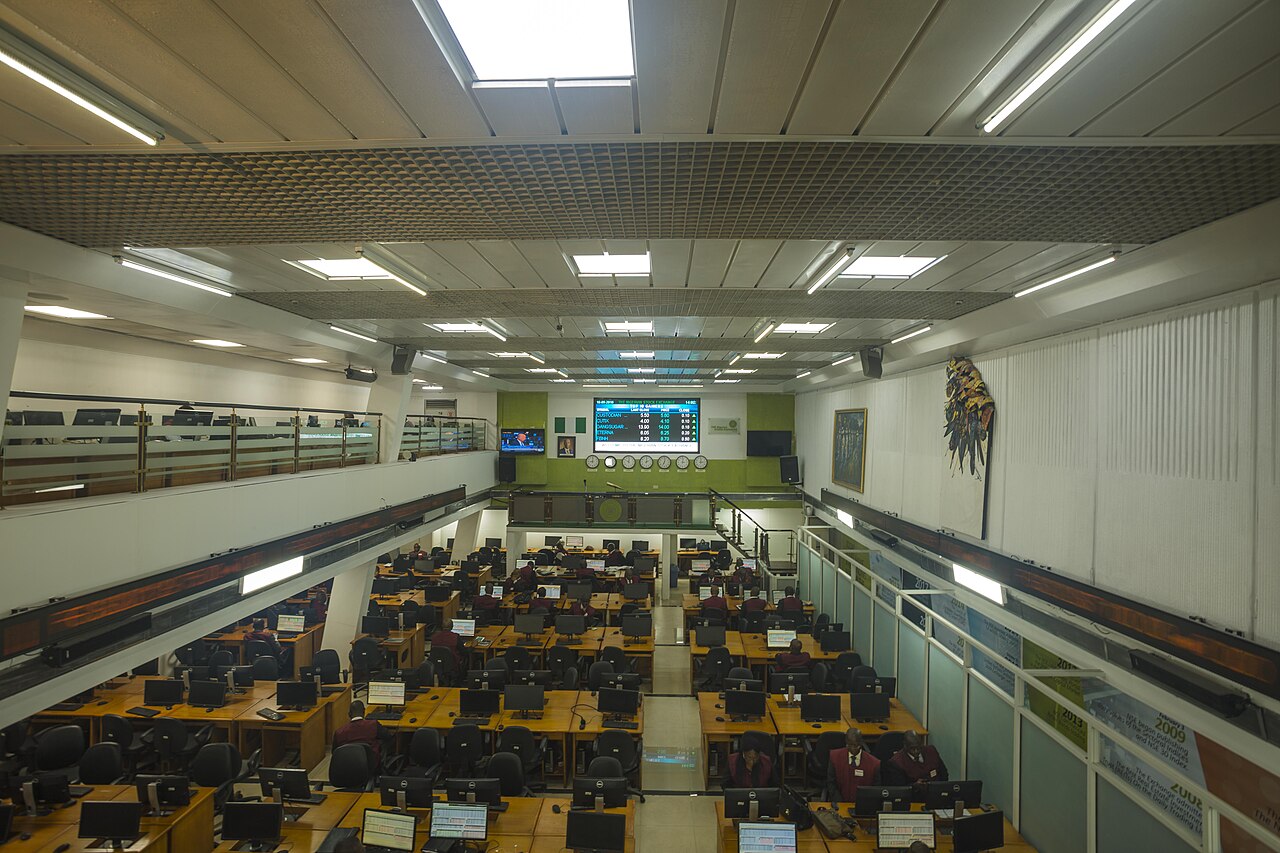
La maggior parte dei nuovi trader e investitori si concentra sul trovare idee vincenti. I partecipanti esperti al mercato tendono a concentrarsi su qualcosa di meno affascinante ma molto più duraturo: la gestione del rischio. La realtà è che non puoi controllare i rendimenti, ma puoi controllare quanto rischi di perdere. Questa guida spiega, in termini pratici, come gestire il rischio nel trading e negli investimenti, dal dimensionamento delle posizioni e gli stop-loss alla diversificazione e alla psicologia che silenziosamente mina anche i piani migliori.
I principi qui esposti si applicano sia che tu faccia trading attivo sia che tu investa nel lungo termine. Non sono una formula per profitti garantiti — una formula del genere non esiste — ma un quadro per sopravvivere agli errori, agli shock di mercato e al tuo stesso comportamento abbastanza a lungo da consentire a una strategia solida di funzionare.

Perché la Gestione del Rischio Conta più che Scegliere i Vincitori
Immagina due trader con strategie identiche che hanno ragione il 55% delle volte. Uno rischia il 2% del capitale per operazione; l'altro rischia il 20%. Nel corso di una serie di operazioni in perdita — che ogni strategia prima o poi produce — il secondo trader può essere spazzato via prima che il vantaggio abbia la possibilità di concretizzarsi. La differenza non è l'abilità nel prevedere; è il controllo del rischio.
Questa è l'intuizione centrale della gestione del rischio: la preservazione del capitale viene prima di tutto. Una grande perdita è matematicamente più difficile da recuperare di quanto sembri. Un drawdown del 50% richiede un guadagno del 100% solo per tornare in pari. Evitare perdite profonde non è quindi timidezza, ma il fondamento della capitalizzazione composta a lungo termine.
Concetti fondamentali della gestione del rischio
Una manciata di concetti fa la maggior parte del lavoro pesante. Comprenderli bene conta più che collezionare decine di indicatori.
Il rapporto rischio-rendimento
Il rapporto rischio-rendimento confronta quanto rischi su una posizione con quanto miri a guadagnare. Se rischi 100 $ per guadagnarne potenzialmente 300, il tuo rapporto è 1:3. Un rapporto favorevole significa che puoi sbagliare più spesso di quanto tu indovini e comunque uscirne in vantaggio nel tempo. Il rapporto funziona però solo se i tuoi obiettivi e i tuoi stop sono realistici anziché illusori.
Dimensionamento della posizione
Il dimensionamento della posizione determina quanto capitale impegni in una singola operazione o posizione. Una linea guida comune tra i trader attivi è rischiare solo una piccola percentuale fissa del capitale totale — spesso dall'1% al 2% — su una singola posizione. Questo garantisce che nessuna singola perdita sia catastrofica e che una serie di perdite rimanga sopportabile. Il dimensionamento della posizione, non il timing di entrata, è spesso ciò che distingue i trader che durano da quelli che non durano.
Ordini stop-loss
Uno stop-loss è un punto di uscita predefinito che limita la perdita su una posizione. Impostarlo in anticipo rimuove l’emozione dalla decisione e impone disciplina. Gli stop non sono infallibili — in mercati rapidi o con gap, un ordine può essere eseguito a un prezzo peggiore del previsto — ma un’uscita pianificata è quasi sempre meglio dell’improvvisazione durante una perdita. La chiave è posizionare gli stop in base alla struttura del mercato e alla tua tolleranza al rischio, non su numeri tondi o sulla speranza.
Diversificazione e correlazione
La diversificazione distribuisce il capitale su asset diversi affinché un singolo esito negativo non affondi l'intero portafoglio. Il beneficio dipende dalla correlazione: detenere dieci azioni tecnologiche è molto meno diversificato di quanto sembri, perché tendono a muoversi insieme. La vera diversificazione combina asset che rispondono in modo diverso alle stesse condizioni — ad esempio azioni, obbligazioni e liquidità — così che la debolezza in un'area possa essere compensata dalla stabilità in un'altra.
La diversificazione riduce il rischio ma non lo elimina. In condizioni di forte stress di mercato, le correlazioni possono aumentare e molti asset scendono insieme. È uno strumento per gestire la volatilità tipica, non una garanzia contro le perdite.
Gestire leva e margine
La leva finanziaria ti consente di controllare una posizione più grande di quanto permetterebbe il solo capitale, utilizzando fondi presi in prestito o margine. Amplifica guadagni e perdite in egual misura. Un modesto movimento sfavorevole può innescare una margin call — una richiesta di aggiungere fondi o chiudere le posizioni — e in alcuni prodotti le perdite possono superare il deposito iniziale. Per la maggior parte dei partecipanti, soprattutto i principianti, usare poca o nessuna leva è un'impostazione predefinita prudente. La leva è uno strumento che premia la disciplina e punisce la sua mancanza.
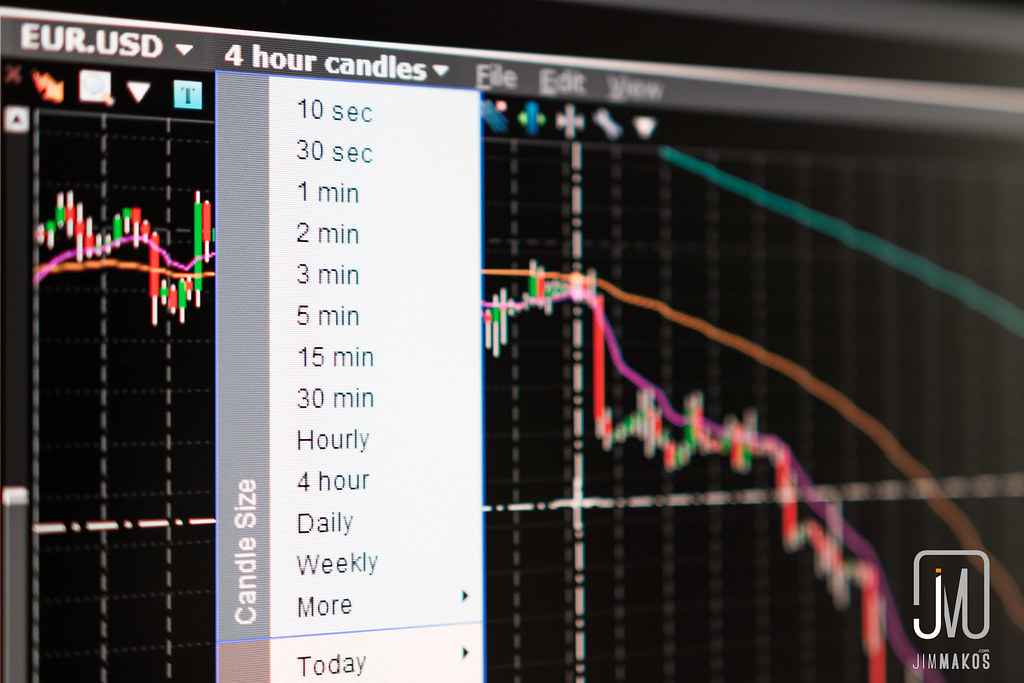
La psicologia del rischio
La parte più difficile della gestione del rischio non è la matematica — è il comportamento umano. I mercati scatenano in modo affidabile emozioni che portano a decisioni sbagliate, e riconoscere queste tendenze è metà della battaglia.
Errori comportamentali comuni
Diversi schemi si ripresentano più e più volte. L'avversione alle perdite porta le persone a mantenere troppo a lungo le posizioni in perdita, sperando di recuperare il capitale. L'eccessiva sicurezza dopo qualche vittoria conduce a scommesse sovradimensionate. Il revenge trading — il tentativo di recuperare immediatamente una perdita — spesso la aggrava. La paura di perdere un'occasione spinge a entrare nei momenti peggiori possibili. Un piano scritto e regole predefinite sono la difesa più affidabile contro questi impulsi, perché prendono le decisioni prima che l'emozione prenda il sopravvento.
Costruire un semplice piano di gestione del rischio
Un piano di rischio non deve essere complesso per essere efficace. La disciplina di seguirlo conta più della sua sofisticazione. Un quadro di partenza pratico potrebbe includere i seguenti elementi.
- Definisci il tuo rischio massimo per posizione come una percentuale fissa del capitale, e attieniti ad essa.
- Imposta uno stop-loss prima di entrare ogni operazione, in base a dove la tua idea si rivelerebbe sbagliata.
- Stabilisci un drawdown massimo del portafoglio in cui ti fermi e rivaluti.
- Diversifica su asset non correlati adeguati ai tuoi obiettivi e al tuo orizzonte temporale.
- Tieni un diario di trading o di investimento a rivedere le decisioni e imparare dagli schemi ricorrenti.
- Evita o limita rigorosamente la leva finanziaria finché non ne comprendi appieno gli effetti.
Rivedere periodicamente questo piano — ed essere onesti su dove hai infranto le tue stesse regole — tende a migliorare i risultati più di qualsiasi nuova strategia.
Domande frequenti
Qual è la regola più importante della gestione del rischio?
Preservare il capitale. Limitare l'entità di ogni singola perdita affinché nessuna operazione o posizione possa causare danni gravi e difficili da recuperare è il fondamento su cui si costruisce tutto il resto.
Quanto dovrei rischiare per operazione?
Non c'è una risposta universale, ma molti trader attivi limitano il rischio a circa l'1-2% del capitale totale per posizione. La cifra giusta dipende dalla tua strategia, dalla tua esperienza e dalla tua tolleranza ai drawdown.
La diversificazione mi garantisce che non perderò denaro?
No. La diversificazione riduce l'impatto di un singolo asset, ma in condizioni di forte stress di mercato molti asset possono scendere insieme. Gestisce il rischio; non lo elimina.
Gli stop-loss sono sempre efficaci?
Aiutano a imporre disciplina, ma non sono perfetti. In mercati a rapido movimento o con gap, uno stop può essere eseguito a un prezzo peggiore di quello previsto. Restano uno strumento prezioso nonostante questo limite.
Vale la pena usare la leva finanziaria?
La leva finanziaria amplifica sia i guadagni sia le perdite e, in alcuni prodotti, può portare a perdite superiori al deposito. Per la maggior parte delle persone, in particolare i principianti, usare poca o nessuna leva è la scelta più prudente.
Come controllo le emozioni mentre faccio trading?
Prendi le decisioni in anticipo con un piano scritto: ingressi, stop e dimensioni delle posizioni predefiniti. Tenere un diario e rivederlo ti aiuta a individuare e correggere nel tempo gli schemi emotivi.
Riepilogo
La gestione del rischio è la disciplina che permette a una strategia solida di sopravvivere all'impatto con i mercati reali. Concentrandosi sulla preservazione del capitale, dimensionando le posizioni in modo sensato, utilizzando stop predefiniti, diversificando in modo ponderato, trattando la leva con cautela e gestendo la tua psicologia, sposti le probabilità a favore del rimanere in gioco abbastanza a lungo da beneficiare del tuo vantaggio. Se compi un solo passo oggi, fai in modo che sia scrivere un semplice piano di rischio che tu possa davvero seguire.
Articoli correlati
- Azioni o ETF: quale scegliere per gli investimenti a lungo termine?
- Come funziona il mercato Forex: una guida per principianti
- Come creare un fondo di emergenza e un budget che duri nel tempo
Disclaimer
Questo articolo ha finalità puramente educative e informative e non costituisce consulenza di investimento, finanziaria, legale o fiscale. È di natura generale e non tiene conto delle tue circostanze personali. Il trading e l'investimento comportano un rischio sostanziale, inclusa la possibile perdita di capitale, e alcuni prodotti con leva possono comportare perdite superiori al deposito iniziale. Le performance passate non garantiscono risultati futuri. Conduci sempre le tue ricerche e valuta di consultare un professionista finanziario autorizzato e indipendente prima di prendere qualsiasi decisione finanziaria.

 English
  German
  Polish
  French
  German (Switzerland)
  Croatian
  Czech
Czech  Italian
  Spanish
  Swedish
  Portuguese (Portugal)
  Portuguese (Brazil)
  Japanese
  Thai
Thai  Danish