
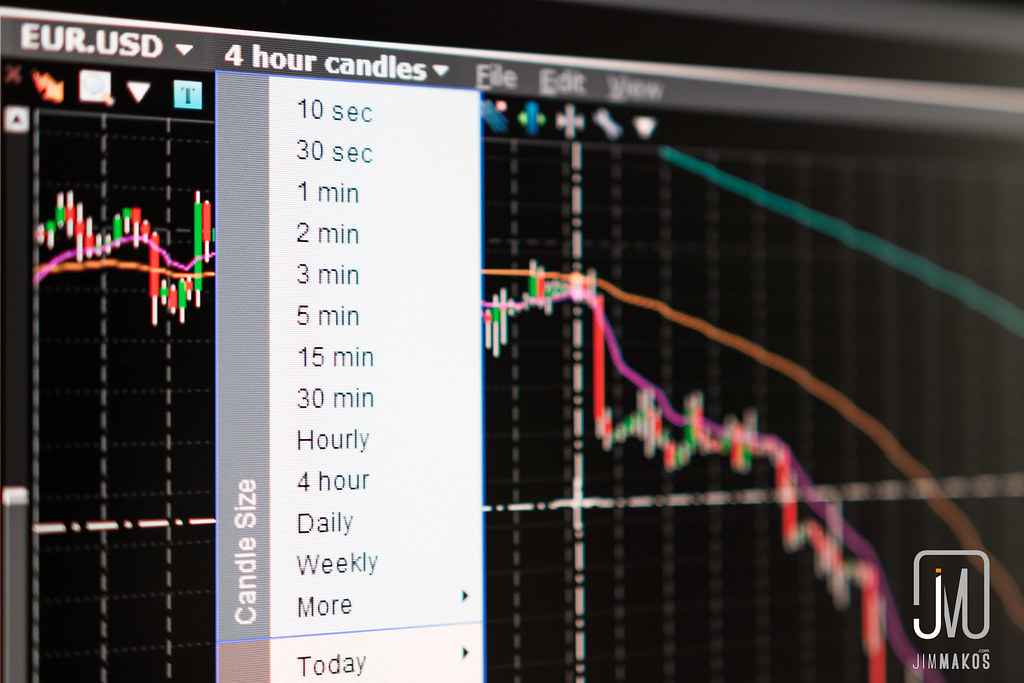
O mercado de câmbio — comumente chamado de forex ou FX — é o maior e mais líquido mercado financeiro do mundo, com trilhões de dólares sendo negociados diariamente. No entanto, para iniciantes, ele pode parecer complexo. Este guia para iniciantes explica como o mercado forex funciona em linguagem simples: o que são pares de moedas, como funcionam os pips e os spreads, o que influencia as taxas de câmbio e por que a alavancagem torna o forex acessível e, ao mesmo tempo, genuinamente arriscado.
Nosso objetivo é construir uma base sólida, não incentivar a negociação. O mercado Forex é uma atividade séria e de alto risco, e entender seus mecanismos é o primeiro passo para tomar decisões informadas — inclusive a decisão de participar ou não.
O que é o mercado Forex?
O mercado Forex é onde moedas são compradas e vendidas. Ao contrário de uma bolsa de valores, ele não possui uma localização central única; em vez disso, opera como uma rede global de bancos, instituições, corretoras e indivíduos que negociam eletronicamente. Funciona 24 horas por dia, cinco dias por semana, seguindo o horário comercial dos principais centros financeiros do mundo. Essa estrutura descentralizada e ininterrupta é parte do que confere ao Forex sua enorme liquidez.
A maior parte das negociações cambiais serve a propósitos práticos — comércio internacional, turismo e proteção cambial por parte das empresas. A especulação, em que os participantes tentam lucrar com as oscilações de preços, é apenas uma parte de um sistema muito maior.
Como funcionam os pares de moedas
As moedas são sempre negociadas em pares, porque comprar uma moeda significa vender outra. Uma cotação como EUR/USD = 1,08 indica a quantidade da segunda moeda necessária para comprar uma unidade da primeira.
Moeda base e moeda de cotação
Em qualquer par de moedas, a primeira é a moeda base e a segunda é a moeda cotada. No par EUR/USD, o euro é a moeda base e o dólar americano é a moeda cotada. Se o preço sobe, a moeda base se fortalece em relação à moeda cotada; se cai, a moeda base se enfraquece. Ler um par de moedas corretamente é fundamental para entender qualquer cotação no mercado Forex.
Maiores, menores e exóticos
Os pares são agrupados por liquidez. Os pares "principais" envolvem as moedas mais negociadas, geralmente emparelhadas com o dólar americano, e tendem a ter spreads estreitos e alta liquidez. Os pares "secundários" são pares de moedas principais que excluem o dólar. Os pares "exóticos" combinam uma moeda principal com uma de uma economia menor ou emergente; eles são menos líquidos, mais voláteis e geralmente apresentam spreads mais amplos e maior risco.
Explicação sobre Pips, Spreads e Lotes
Algumas unidades de medida tornam os preços do mercado Forex concretos. Um "pip" é o menor incremento de preço padrão para a maioria dos pares, geralmente a quarta casa decimal. Quando um par se move de 1,0800 para 1,0801, isso corresponde a um pip.
O "spread" é a diferença entre o preço de compra (ask) e o preço de venda (bid). Ele representa um custo da negociação e, na prática, significa que uma posição começa com um pequeno prejuízo. Um "lote" é um tamanho de negociação padronizado; lotes menores permitem que iniciantes negociem com menos capital e risco. Compreender como pips, spreads e tamanhos de lotes interagem é essencial para entender como os ganhos e as perdas se acumulam.
O que influencia as taxas de câmbio
As taxas de câmbio refletem a oferta e a demanda relativas de moedas, impulsionadas por uma série de fatores interligados. Compreender esses fatores ajuda a explicar por que os preços oscilam, embora prevê-los continue sendo notoriamente difícil.
- Taxas de juros: Taxas de juros mais altas podem atrair capital e fortalecer uma moeda, enquanto cortes nas taxas podem enfraquecê-la.
- Dados econômicos: Os índices de inflação, emprego e crescimento influenciam as expectativas sobre a direção de uma moeda.
- Política do banco central: Declarações e decisões de bancos centrais estão entre os fatores mais importantes que influenciam as oscilações cambiais.
- Geopolítica e sentimento de risco: Eventos políticos e incertezas globais podem direcionar a demanda para moedas consideradas de refúgio seguro.
- Fluxos comerciais e de capital: A balança comercial e os fluxos de investimento de um país afetam a demanda por sua moeda.
Alavancagem e Margem: Oportunidade e Perigo
O mercado Forex é frequentemente negociado com alavancagem, o que significa que um pequeno depósito (margem) controla uma posição muito maior. A alavancagem é o que permite que os investidores participem com um capital modesto — e também é o que torna o Forex tão arriscado. Como as oscilações cambiais geralmente são pequenas em termos percentuais, a alavancagem é usada para amplificá-las, o que amplifica tanto os ganhos quanto as perdas. Uma pequena oscilação desfavorável pode zerar rapidamente o depósito de margem e, em algumas contas, as perdas podem exceder o valor depositado. Lidar com a alavancagem com cautela é um dos hábitos mais importantes que um iniciante pode desenvolver.
Riscos que os iniciantes devem entender
A acessibilidade do Forex pode mascarar sua complexidade. Muitos investidores de varejo perdem dinheiro, e a combinação de alavancagem, volatilidade dos preços e negociação 24 horas por dia pode penalizar os menos experientes. gestão de riscos. Os iniciantes devem estar cientes da volatilidade, do custo dos spreads e do financiamento overnight, da pressão emocional das posições alavancadas e da prevalência de marketing enganoso que minimiza o risco. Uma mentalidade realista — encarar o mercado Forex como algo difícil e arriscado, em vez de uma fonte fácil de renda — é, por si só, uma forma de proteção.
Perguntas frequentes
O que é o mercado Forex em termos simples?
O mercado Forex consiste em comprar uma moeda e vender simultaneamente outra, com o objetivo de lucrar com as variações em seu valor relativo. As moedas são sempre cotadas e negociadas em pares.
O mercado Forex é adequado para iniciantes?
O mercado Forex é acessível, mas de alto risco, e muitos iniciantes perdem dinheiro. Se você optar por aprender, comece com educação, uma conta demo, alavancagem mínima ou nenhuma e apenas dinheiro que você pode se dar ao luxo de perder.
O que é um pip?
Um pip é a menor variação de preço padrão na maioria dos pares de moedas, geralmente a quarta casa decimal. É a unidade básica usada para medir ganhos e perdas no mercado Forex.
Por que se negocia forex com alavancagem?
Como as variações cambiais são normalmente pequenas em termos percentuais, a alavancagem é usada para amplificá-las. Isso aumenta os ganhos potenciais, mas também aumenta as perdas potenciais, tornando-se uma fonte significativa de risco.
Quando o mercado Forex está aberto?
O mercado Forex opera 24 horas por dia, cinco dias por semana, seguindo as sessões de negociação dos principais centros financeiros do mundo. A liquidez varia conforme a sessão e o par de moedas.
O que determina o valor de uma moeda?
O valor de uma moeda reflete a oferta e a procura, moldadas por taxas de juro, dados económicos, política do banco central, fluxos comerciais e eventos geopolíticos. Estes fatores interagem de formas complexas e muitas vezes imprevisíveis.
Resumo
O mercado Forex é um sistema vasto e descentralizado onde as moedas são negociadas em pares 24 horas por dia. Compreender as moedas base e de cotação, pips e spreads, os fatores que influenciam as taxas de câmbio e, principalmente, a natureza ambígua da alavancagem, proporciona uma base sólida. Essa base é fundamental porque o Forex é realmente complexo e arriscado — o conhecimento é o que diferencia a participação informada de palpites dispendiosos. Se você deseja aprender mais, continue com recursos educacionais confiáveis e pratique em uma conta demo antes de arriscar capital real.
Artigos relacionados
- Gestão de Riscos em Negociações e Investimentos: Um Guia Prático
- Ações ou ETFs: qual é a melhor opção para investimentos de longo prazo?
- Como criar um fundo de emergência e um orçamento duradouro
Isenção de responsabilidade
Este artigo tem fins meramente educativos e informativos e não constitui aconselhamento de investimento, financeiro, jurídico ou fiscal. É de natureza geral e não leva em consideração as suas circunstâncias pessoais. O trading de Forex envolve riscos substanciais, incluindo o uso de alavancagem que pode amplificar as perdas; você pode perder parte ou todo o seu capital e, em certos casos, mais do que o seu depósito inicial. Uma alta proporção de traders de varejo perde dinheiro negociando esses produtos. O desempenho passado não garante resultados futuros. Sempre realize sua própria pesquisa e considere consultar um profissional financeiro independente e licenciado antes de tomar qualquer decisão de investimento.

 English
  German
  Polish
  French
  German (Switzerland)
  Croatian
  Czech
Czech  Italian
  Spanish
  Swedish
  Portuguese (Portugal)
  Portuguese (Brazil)
  Japanese
  Thai
Thai  Danish